
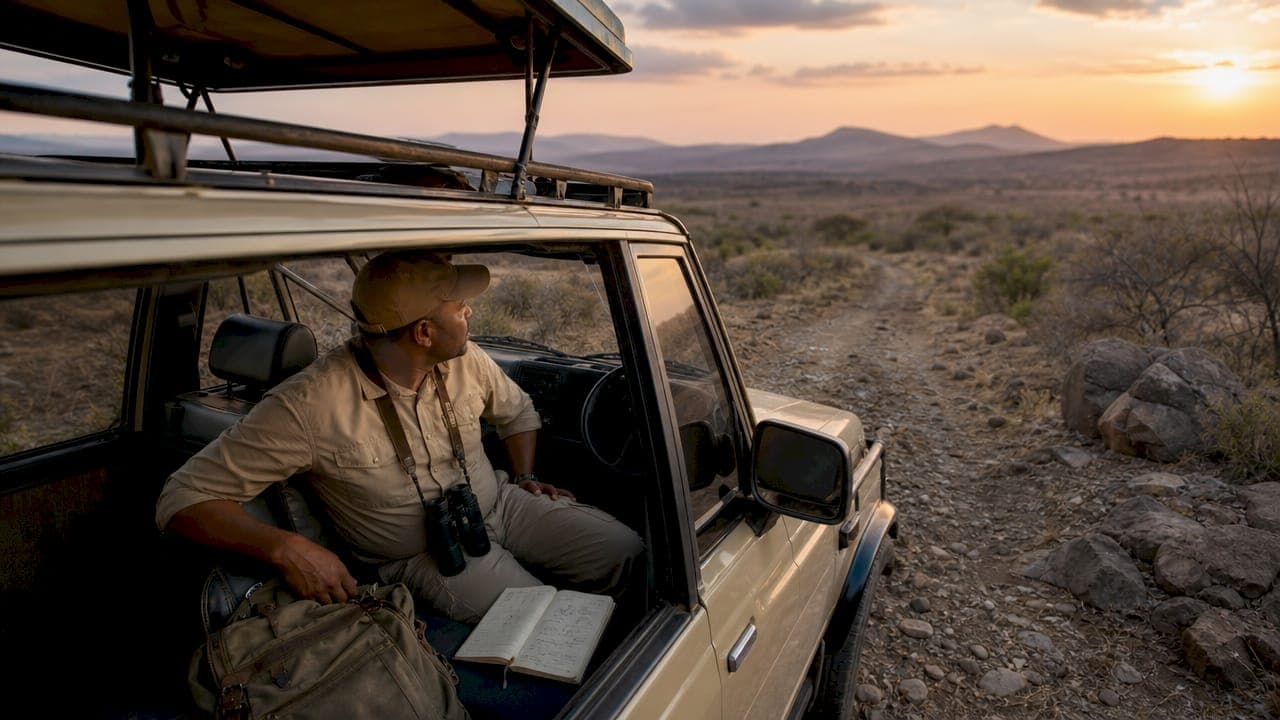
A safari is a guided wildlife experience defined by open-vehicle game drives, early morning starts, and patient observation of animals in their natural habitat. Knowing what to expect on safari before you go removes the guesswork and replaces it with genuine excitement. The experience is less about ticking off species and more about immersing yourself in a living ecosystem. From the rhythm of your daily schedule to what you pack and wear, every detail shapes how deeply you connect with the wild. This guide covers everything a first-time traveler needs to feel prepared, comfortable, and ready to embrace whatever Mother Nature delivers.
What does a typical day on safari look like?
The safari day follows a rhythm built around animal behavior and light. Game drives begin at 6:00 am, which means a wake-up call around 5:30 am. That early start is not arbitrary. Dawn is when predators are most active, temperatures are cool, and the golden light makes every sighting feel cinematic.
A standard day breaks down like this:
- 5:30 am Wake-up call and a quick hot drink before departure
- 6:00 am Morning game drive begins (most parks permit drives from 6 am to 6 pm)
- 9:00–10:00 am Bush breakfast or return to camp for a full meal
- 10:00 am–3:30 pm Midday rest at camp; this is when animals shelter from heat and activity slows
- 3:30 pm Afternoon game drive departs
- 6:00 pm Return to camp as park gates close
- 7:30 pm Dinner around the fire or in the lodge dining area
The midday break surprises many first-timers. Sitting still in 90°F heat while animals rest is not wasted time. It is when you debrief with your guide, review photos, and recharge for the afternoon drive.
Pro Tip: Bring a small headlamp for the pre-dawn walk to your vehicle. Camp paths are unlit, and you will use it every single morning.
What accommodations and vehicles will you experience?
Most first-time safari travelers stay in lodges or permanent tented camps that offer comfortable beds, en-suite bathrooms, and varying levels of luxury. "Tented camp" sounds rustic, but many permanent camps include real beds, hot showers, and electricity. The canvas walls simply put you closer to the sounds of the bush at night.
Accommodation broadly falls into four categories:
- Safari lodges: Fixed structures with hotel-style amenities, restaurants, and pools. Best for travelers who want comfort after a long drive.
- Permanent tented camps: Canvas rooms on raised platforms with en-suite bathrooms. A strong balance of comfort and immersion.
- Mobile camps: Moved seasonally to follow wildlife migrations. More basic but often positioned in prime locations.
- Basic camping: Communal facilities and self-catering. Best suited for budget travelers with camping experience.
Safari vehicles are typically Toyota Land Cruiser 4x4s with pop-up roofs and a dedicated window seat for each guest. The open design gives you unobstructed sightlines and lets you stand for photography. Bushbabysafaris operates open vehicles from all accommodations in St Lucia and Hluhluwe, which means you get that same unobstructed, immersive view from the moment you leave your lodging.
Pro Tip: Request a seat on the right side of the vehicle if you are right-handed. Most guides drive on the left, so right-side passengers get a cleaner angle for photography without reaching across the vehicle.
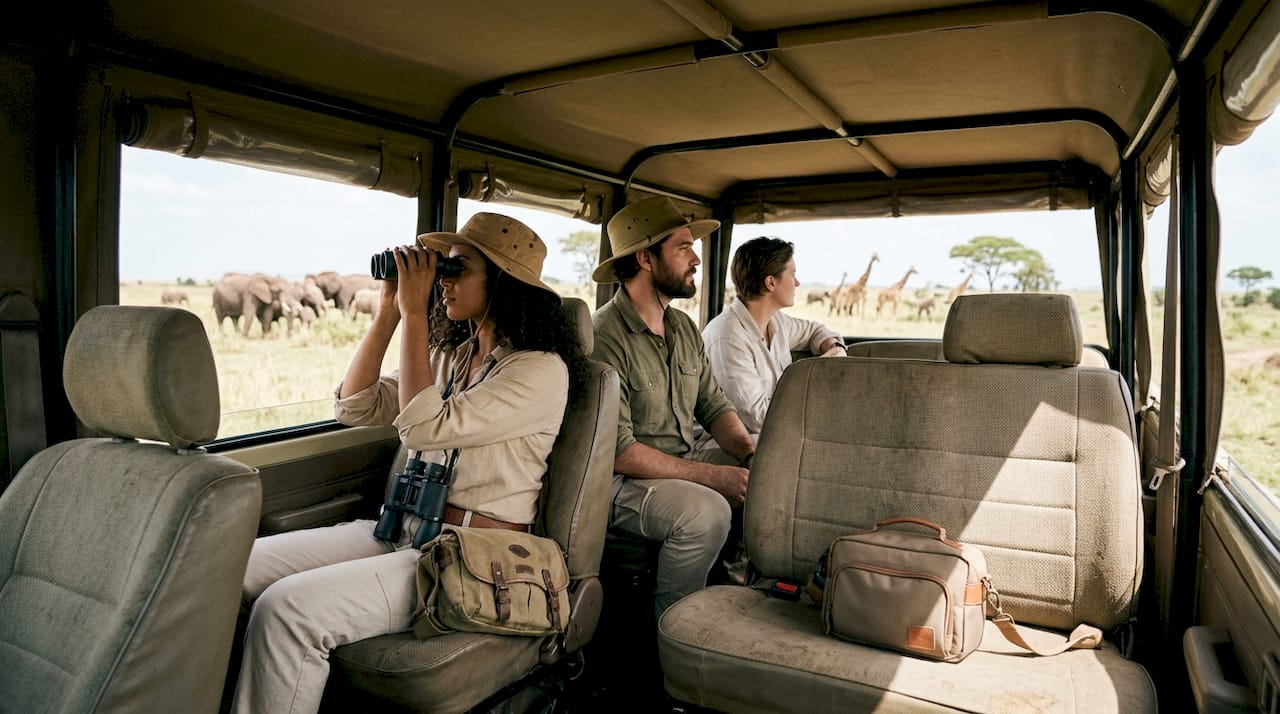
What wildlife encounters can you expect on safari?
Successful wildlife viewing is less about checking off species and more about reading the ecosystem as a whole. Your guide tracks behavior, not just animals. A herd of impala staring in one direction tells an experienced guide that a predator is nearby. That kind of layered observation is what separates a great safari from a zoo visit.
Common sightings on a well-managed game reserve include:
- The Big Five: Lion, leopard, elephant, buffalo, and rhino. Hluhluwe-iMfolozi Park in KwaZulu-Natal is one of the few parks in Africa where all five roam freely.
- Plains game: Zebra, giraffe, wildebeest, and warthog appear regularly and are never boring when you watch their behavior closely.
- Birds: Southern Africa hosts hundreds of species. A lilac-breasted roller perched on a dead tree at sunrise is as striking as any lion sighting.
- Reptiles and smaller mammals: Nile crocodiles, monitor lizards, and mongooses reward travelers who look beyond the headline animals.
"The unpredictable moments reward patient travelers. A leopard emerging from dense bush at dusk is not something you can schedule. You simply have to be there, quiet and ready."
Wildlife activity follows the temperature. Early morning and late afternoon are peak movement times. Midday sightings happen, but animals are slower and often resting in shade. Patience is not a passive skill on safari. It is the most productive thing you can do.
Safety protocols are straightforward. Stay in the vehicle at all times unless your guide explicitly instructs otherwise. Animals in most reserves are habituated to vehicles but react to human scent and movement on foot. Your guide knows these boundaries and will keep you well within them.
What to pack and wear on safari
Packing for a safari is a balance between climate practicality and luggage constraints. Clothing should be light, breathable layers in neutral colors like khaki, olive, and tan. Mornings can drop below 50°F while afternoons push into the mid-90s. A fleece or light jacket for the dawn drive and a cotton shirt for midday covers that entire range.
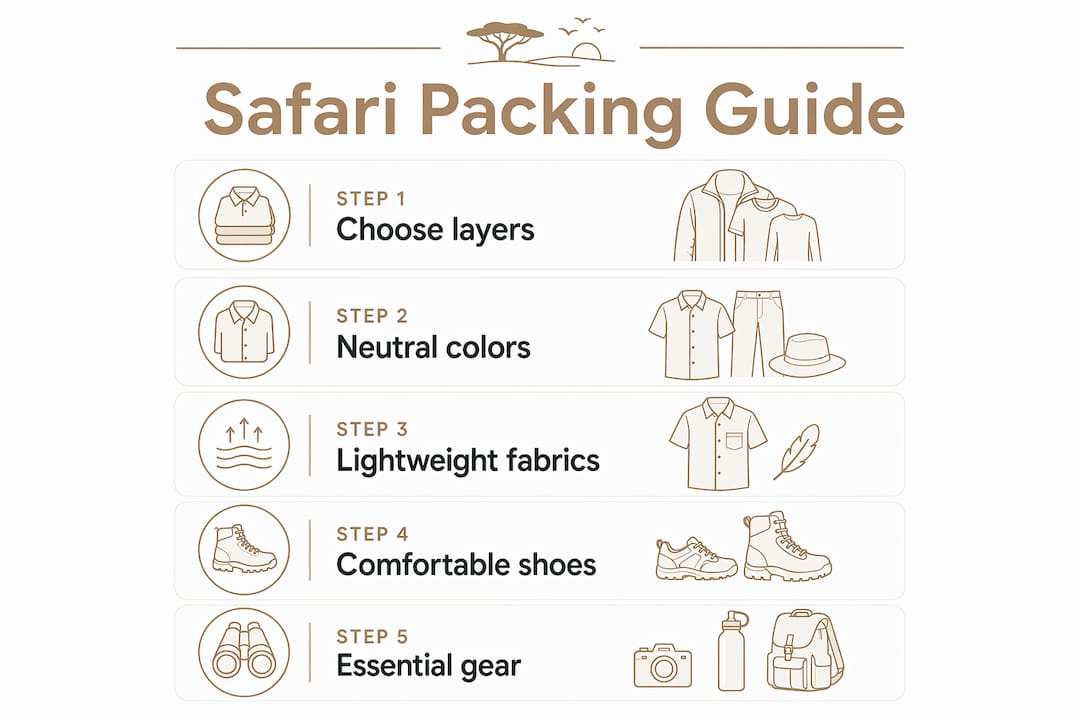
Fly-in safaris enforce strict luggage limits, often 15kg, and require soft-sided duffel bags. Rigid suitcases do not fit in small aircraft cargo holds. Even if you are driving to your destination, packing light makes camp life easier and vehicle loading faster.
| Item | Why it matters |
|---|---|
| Neutral-colored layers | Avoids startling wildlife; manages temperature swings |
| Wide-brim hat | Sun protection during open-vehicle drives |
| Binoculars | Brings distant sightings close; guides use them constantly |
| Insect repellent (DEET-based) | Malaria precaution in many safari regions |
| Camera with zoom lens | Wildlife rarely comes within arm's reach |
| Soft-sided duffel bag | Required for fly-in safaris; easier to stow in vehicles |
| Small detergent sachets | Hand-wash underwear since lodge laundry services typically exclude it |
Treating your safari wardrobe as a functional capsule rather than a full suitcase solves most packing problems. Four to five outfits that layer and mix cover a week-long trip without excess weight.
Pro Tip: Pack one smart-casual outfit for lodge dinners. Many lodges have an informal dress code for the evening meal, and you will feel more comfortable not arriving in dusty game drive clothes.
Practical tips every first-time safari traveler should know
The biggest mental shift on safari is moving away from a checklist mindset. The richest experiences come from quiet, immersive observation rather than rushing from sighting to sighting. Travelers who accept that nature sets the agenda consistently report more memorable experiences than those who arrive with rigid expectations.
Practical tips that make a real difference:
- Hydrate consistently. Open vehicles in direct sun dehydrate you faster than you expect. Bring at least one liter of water per game drive.
- Silence your phone. Ringtones and notification sounds disturb animals and other guests. Switch to silent before every drive.
- Tip your guide. Guides work long hours and their local knowledge is irreplaceable. A standard tip of $10–$20 per person per day is widely recognized as appropriate.
- Manage connectivity expectations. WiFi and cell signal are limited or absent in most reserves. This is a feature, not a flaw.
- Respect your guide's instructions. Every rule around vehicle behavior and animal proximity exists for your safety and the animals' welfare.
Safari costs vary widely. Mid-range packages in Tanzania typically run $400–$700 per person per day, all-inclusive, while budget options start around $250. Luxury camps exceed $700 daily and can reach $2,500. Prices exclude international flights and visas. Bushbabysafaris offers standard safari packages across different price points, making the KwaZulu-Natal experience accessible without sacrificing quality.
Photography rewards preparation. A 300mm or longer zoom lens captures animals at a safe distance. Shoot during the golden hours of early morning and late afternoon when light is warm and animals are active. Burst mode helps with fast-moving subjects like hunting cheetahs or birds in flight.
Key Takeaways
A safari delivers its deepest rewards to travelers who prepare practically, pack light, and shift from a checklist mindset to genuine immersive observation.
| Point | Details |
|---|---|
| Daily rhythm matters | Wake-up at 5:30 am and two game drives per day maximize wildlife sightings. |
| Pack light and neutral | Breathable layers in khaki and olive cover temperature swings and avoid disturbing animals. |
| Luggage limits are real | Fly-in safaris enforce a 15kg soft-bag limit; plan your packing strategy around this. |
| Patience is the skill | Quiet observation of animal behavior yields richer encounters than rushing between sightings. |
| Budget realistically | Mid-range safaris run $400–$700 per person per day; costs exclude flights and visas. |
What I've learned after years of watching first-timers arrive
Most travelers arrive expecting a highlight reel. They want lions within the first hour, a leopard by day two, and a rhino before checkout. What they get instead is something harder to photograph but far more lasting.
The guests who leave most transformed are the ones who stopped trying to direct the experience. I watched a couple sit in complete silence for 40 minutes while a herd of elephants crossed a dry riverbed 30 meters from the vehicle. They did not take a single photo after the first five minutes. They just watched. That evening, they told me it was the best moment of their lives.
First-timers also underestimate how much the guide shapes the experience. A skilled guide reads the bush like a language. They notice a broken branch, a fresh track, a bird alarm call, and they follow that thread to something extraordinary. Your job is to trust that process and resist the urge to check your phone.
The iSimangaliso Wetland Park, which translates as "Place of Miracle or Wonder," earns that name every single time. You cannot manufacture wonder. You can only put yourself in the right place, stay quiet, and let the bush do the rest.
— Larni
Plan your safari with Bushbabysafaris
Bushbabysafaris runs open vehicle safaris from all accommodations in St Lucia and Hluhluwe, KwaZulu-Natal, directly into Hluhluwe-iMfolozi Park and iSimangaliso Wetland Park, South Africa's first UNESCO World Heritage Site. Every drive is guided by people who know these parks like the back of their hands.
Whether you want a focused Big 5 safari experience or a full-day immersion through iSimangaliso, there is a package built for your pace and budget. Morning drives pair perfectly with the breakfast packs Bushbabysafaris offers, so you can eat in the bush as the sun rises over the wetlands. Ready to go? Book your safari and let the parks deliver the rest.
FAQ
What time do safari game drives typically start?
Morning game drives begin at 6:00 am, with a wake-up call around 5:30 am. Most national parks permit drives between 6 am and 6 pm only.
What is the Big Five on safari?
The Big Five refers to lion, leopard, elephant, buffalo, and rhino. Hluhluwe-iMfolozi Park in KwaZulu-Natal is one of Africa's premier destinations for seeing all five in a single visit.
How much luggage can I bring on a fly-in safari?
Fly-in safaris typically enforce a 15kg weight limit and require soft-sided duffel bags. Rigid suitcases do not fit in small bush aircraft cargo holds.
What should I wear on safari?
Wear light, breathable layers in neutral colors like khaki, olive, and tan. Mornings can be cold enough for a fleece, while afternoons often reach the mid-90s, so layering is the most practical approach.
Is WiFi available at safari camps?
WiFi and cell signal are limited or absent at most safari camps and reserves. Treat the disconnection as part of the experience rather than an inconvenience.