
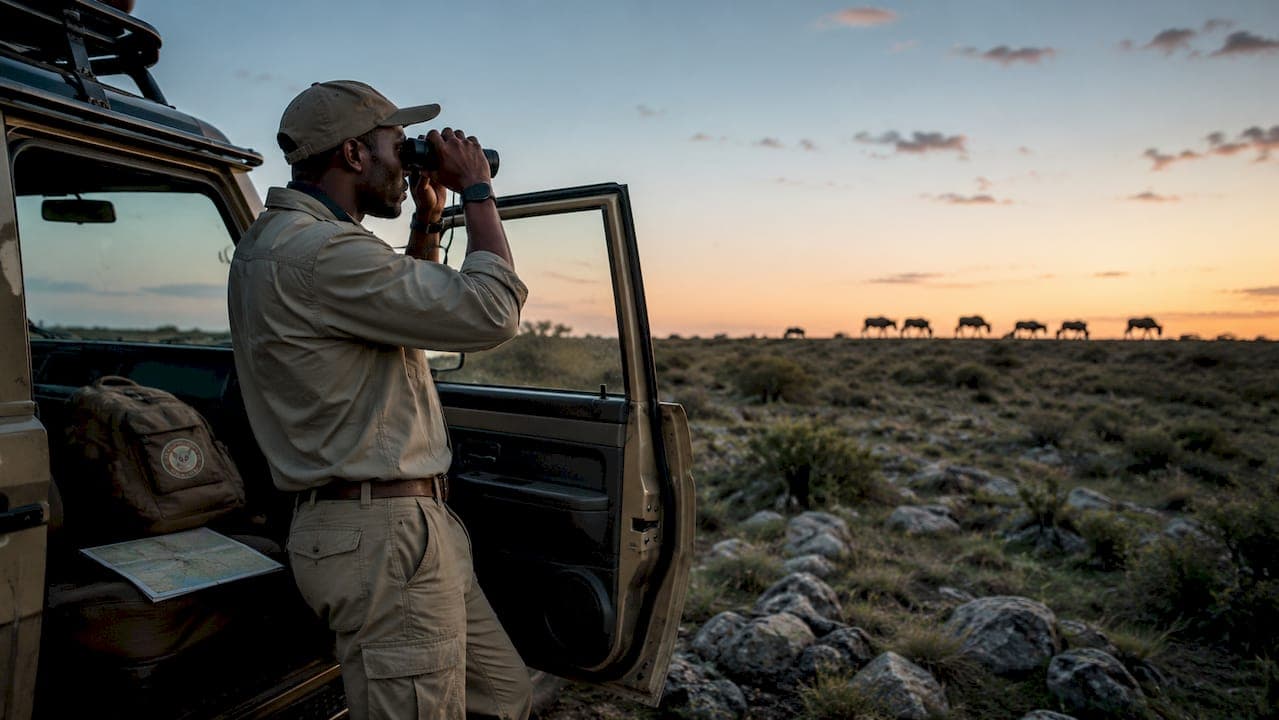
A safari holiday is a guided, immersive journey into African wilderness to observe free-roaming wildlife in their natural habitat. The word "safari" comes from the Swahili word safar, meaning "journey". Modern safaris have nothing to do with hunting. They focus entirely on wildlife observation, photography, and conservation. Whether you are a first-time traveler or a seasoned wildlife enthusiast, a safari holiday delivers something no city break or beach resort can match: the raw, unscripted drama of animals living wild and free. Bushbaby Safaris operates open-vehicle safaris into Hluhluwe-iMfolozi Park and iSimangaliso Wetland Park in KwaZulu-Natal, South Africa, giving you front-row access to two of Africa's most extraordinary wild spaces.
What is a safari holiday, and what makes it different?
A safari holiday is defined as a travel experience centered on observing wildlife in protected wilderness areas, led by professional guides. It differs from a standard nature tour because the wildlife is entirely wild, the environment is uncontrolled, and the experience is shaped by nature rather than a schedule. You are not watching animals in an enclosure. You are entering their world on their terms.
The Big Five animals, which are lion, leopard, rhinoceros, elephant, and Cape buffalo, are the iconic targets of any African safari. Safaris also reveal zebras, giraffes, hippos, crocodiles, wild dogs, and hundreds of bird species. Wildlife abundance shifts with the seasons, and the dry season typically delivers better visibility because animals concentrate near water sources.
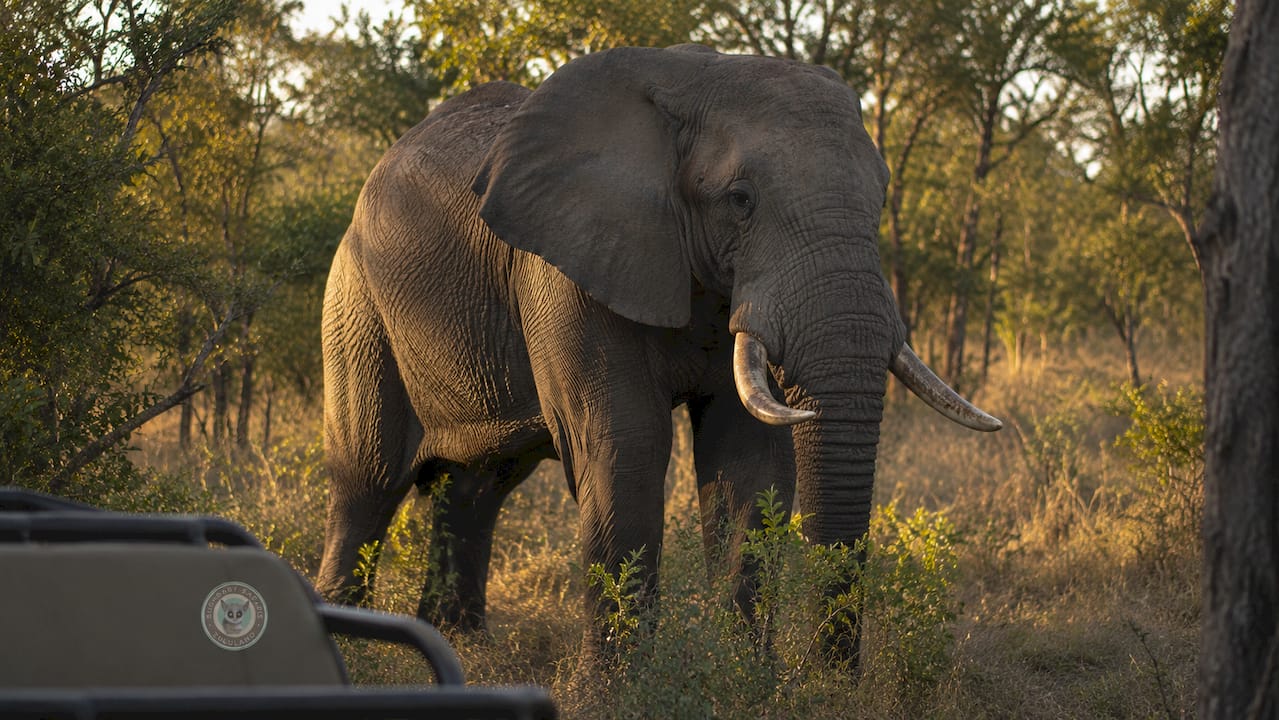
Conservation sits at the heart of every reputable safari. The fees you pay fund park management, anti-poaching units, and community programs. Choosing a responsible operator means your trip actively supports the ecosystems you come to see.
What typically happens on a safari holiday?
Safari days follow nature's rhythm, not a tourist timetable. Animals are most active in the cooler hours, so the day is structured around those windows.
A typical safari day looks like this:
- Early morning game drive: Departures before sunrise catch predators finishing their night hunts and herbivores grazing in the golden light.
- Midday rest: Heat drives most animals into shade, so guides and guests return to camp or lodge for meals and downtime.
- Afternoon game drive: Activity picks up again from around 3:00 PM as temperatures drop and animals return to water.
- Evening at camp: Sundowners, campfire meals, and the sounds of the African bush close out the day.
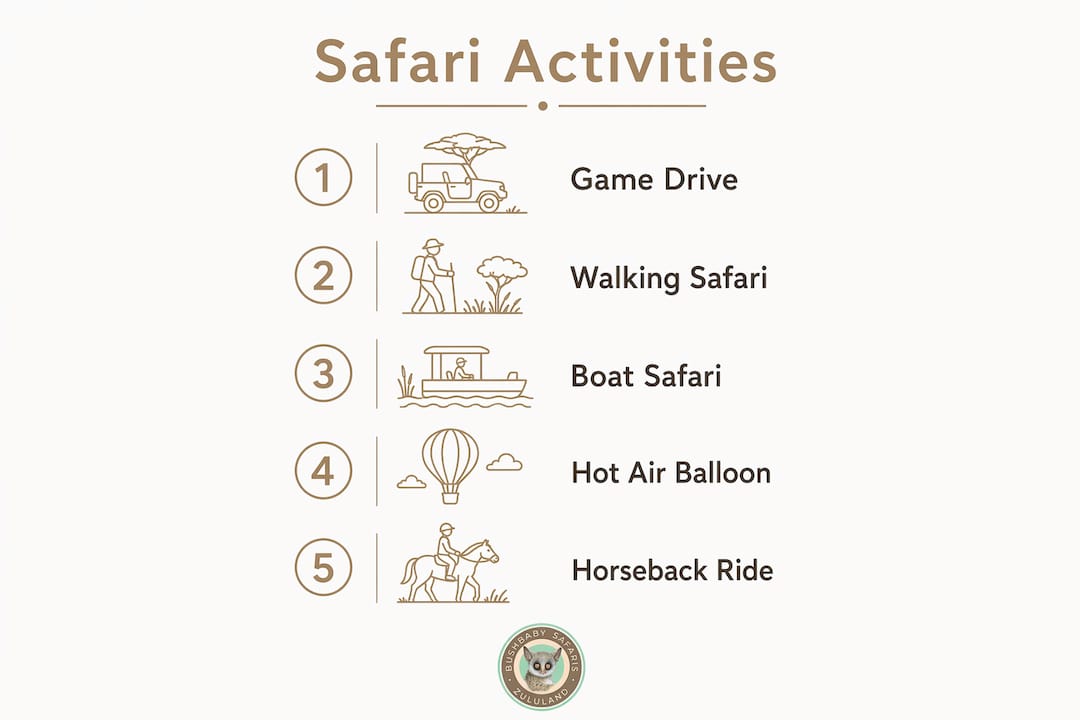
Walking safaris, boat safaris, hot air balloon rides, and horseback excursions are available at select destinations. Each format offers a different perspective. A walking safari puts you at ground level, reading tracks and reading the bush with all your senses. A boat safari on a river or wetland reveals hippos, crocodiles, and waterbirds from an angle no vehicle can match.
Pro Tip: Book your first game drive for the earliest possible slot. The hour after sunrise is statistically the best time to spot predators before they rest for the day.
Professional guides are the single most important factor in a great safari. They know the parks like the back of their hands, read animal behavior before anything dramatic happens, and keep you safe without disrupting wildlife. A skilled guide turns a drive through the bush into a masterclass in ecology.
Where are the most popular African safari destinations?
Africa's top safari countries include Kenya, Tanzania, South Africa, Botswana, Namibia, Uganda, and Rwanda. Each offers a distinct combination of landscapes, species, and travel experiences.
| Destination | Signature experience | Best season |
|---|---|---|
| Kenya (Maasai Mara) | Great Wildebeest Migration | july–october |
| Tanzania (Serengeti) | Year-round Big Five and migration | june–september |
| South Africa (Kruger / KwaZulu-Natal) | Big Five, malaria-free zones, iSimangaliso | may–september |
| Botswana (Okavango Delta) | Water-based safaris, exclusive camps | june–august |
| Uganda / Rwanda | Mountain gorilla trekking | june–september |
| Namibia | Desert-adapted wildlife, vast landscapes | may–october |
South Africa stands out for travelers who want a malaria-free safari option. Hluhluwe-iMfolozi Park in KwaZulu-Natal is Africa's oldest proclaimed nature reserve and home to the world's largest white rhino population. iSimangaliso Wetland Park, meaning "Place of Miracle or Wonder" in Zulu, is South Africa's first UNESCO World Heritage Site and a RAMSAR-listed wetland of international importance. Both parks sit within easy reach of St Lucia and Hluhluwe, where Bushbaby Safaris operates daily departures.
The Great Wildebeest Migration between the Serengeti and Maasai Mara draws more than 1.5 million wildebeest annually. That spectacle is extraordinary, but it requires precise timing and advance booking. South Africa's parks offer year-round Big Five sightings with fewer logistical hurdles, making them an excellent choice for first-time safari travelers.
What types of safari holidays are available?
Safari experiences range widely from budget group tours to fully private luxury expeditions. Understanding the differences helps you choose the format that fits your travel style and budget.
Game drive safaris
The classic open-vehicle game drive is the most common safari format. You travel in a specially designed 4x4 vehicle with a guide who navigates the park and interprets wildlife behavior. Open vehicles give you unobstructed views and allow you to stand for photography.
Walking, boat, and specialist safaris
Walking safaris place you on foot in the bush with an armed guide. They are slower, more intimate, and deeply sensory. Boat and canoe safaris work best in wetland environments like iSimangaliso, where the water itself is the habitat. Hot air balloon safaris over the Serengeti or Maasai Mara offer a bird's-eye perspective at sunrise.
Accommodation styles
- Luxury lodges: Private suites, gourmet meals, and exclusive traversing rights over large private reserves.
- Tented camps: Canvas walls, proper beds, and en-suite bathrooms. Authentic atmosphere without sacrificing comfort.
- Budget camps and self-drive: Shared facilities and self-catering options for independent travelers.
Private vs. group safaris
Private safaris give you a dedicated vehicle and guide, full flexibility over timing, and undivided attention. Group tours are more affordable and work well for solo travelers who want a social experience. Standard safari packages from Bushbaby Safaris offer guided open-vehicle drives with small groups, balancing value and intimacy.
Safety on safari is well managed when you travel with a professional operator. Guides are trained to read animal behavior, maintain safe distances, and respond to unexpected situations. Families and first-timers can feel confident with the right operator.
What should travelers know before going on a safari holiday?
Planning a safari requires more preparation than a typical beach holiday. Getting the details right before you go makes the experience far more rewarding.
Health and safety:
- Check vaccination requirements for your destination. Yellow fever certificates are required for entry into some countries.
- Use a high-quality insect repellent containing DEET, especially in malaria zones.
- Pack travel insurance that covers medical evacuation.
- South Africa's KwaZulu-Natal coastal parks are considered low malaria risk compared to East Africa, making them a practical choice for families.
Packing essentials:
- Neutral-colored clothing in khaki, olive, or beige. Bright colors disturb wildlife and attract insects.
- Layers for cold early mornings and warm afternoons.
- A good pair of binoculars. Even a mid-range pair transforms distant sightings.
- Sunscreen, a wide-brimmed hat, and a reusable water bottle.
Ethical guidelines:
- Never stand up or shout in a vehicle near animals.
- Do not feed wildlife under any circumstances.
- Follow your guide's instructions without question.
Pro Tip: Book your safari during the dry season for your chosen destination. Vegetation thins out, animals gather near water, and game viewing improves dramatically compared to the wet season.
Costs on safari reflect the conservation infrastructure behind the experience. Park fees, guide training, vehicle maintenance, and accommodation in remote areas all contribute to the price. Viewing this cost as a direct investment in wildlife conservation makes it easier to appreciate.
Key takeaways
A safari holiday is the most direct way to experience Africa's wildlife in its natural state, guided by professionals who prioritize both your safety and the health of the ecosystem.
| Point | Details |
|---|---|
| Safari definition | A guided wildlife observation journey in African wilderness, focused on conservation and photography. |
| Best timing | The dry season delivers better game viewing as animals concentrate near water sources. |
| Top destinations | South Africa, Kenya, Tanzania, and Botswana each offer distinct wildlife and landscapes. |
| Safari types | Options range from open-vehicle game drives to walking safaris, boat safaris, and balloon rides. |
| Preparation matters | Pack neutral clothing, confirm vaccinations, and book with a licensed professional guide. |
Why a safari holiday changes how you see the world
Most vacations are built around human convenience. A safari is built around nature's schedule, and that shift alone is worth the trip. I have watched travelers arrive expecting a highlight reel of dramatic predator kills and leave quietly moved by something far simpler: a herd of elephants crossing a road at dusk, completely indifferent to the vehicle watching them.
The pace of a safari is unlike anything else in travel. You wait. You watch. You sit in silence for long stretches. That unhurried rhythm is not a flaw in the experience. It is the experience. The transformative quality of safaris comes precisely from slowing down enough to notice what is actually happening around you.
My honest advice: resist the urge to photograph everything. Put the camera down for at least one game drive and just watch. The memory you carry home from that hour will outlast any image on your phone.
Conservation is not a side note on a safari. It is the reason the wildlife still exists. Every responsible booking supports the rangers, researchers, and communities who protect these ecosystems year-round. Traveling with an operator who takes that seriously is not optional. It is the only way to travel.
— Larni
Plan your safari holiday with Bushbaby Safaris
Bushbaby Safaris runs open-vehicle safaris from St Lucia and Hluhluwe directly into Hluhluwe-iMfolozi Park and iSimangaliso Wetland Park, two of KwaZulu-Natal's most wildlife-rich protected areas. Morning drives, full-day excursions, and multi-day packages are all available, led by expert guides who know these parks intimately.
Whether you are after a Big Five game drive or a wetland safari through iSimangaliso's RAMSAR-listed waterways, Bushbaby Safaris has a package built around authentic wildlife encounters. Every vehicle is open for unobstructed views, every guide is professionally trained, and every departure puts you in the heart of wild Africa. Visit Bushbaby Safaris to browse packages and secure your booking.
FAQ
What is the definition of a safari holiday?
A safari holiday is a guided trip into African wilderness areas to observe wildlife in their natural habitat. The word "safari" comes from the Swahili word for "journey," and modern safaris focus on observation, photography, and conservation rather than hunting.
What animals will I see on a safari?
The Big Five (lion, leopard, rhinoceros, elephant, and Cape buffalo) are the iconic targets, but safaris also reveal zebras, giraffes, hippos, wild dogs, and hundreds of bird species. Wildlife varies by destination and season.
Is a safari holiday safe for families?
Safari holidays are safe for families when booked with a professional operator. Guides are trained to manage wildlife encounters, maintain safe distances, and follow strict park protocols that protect both guests and animals.
When is the best time to go on a safari holiday?
The dry season is the best time for game viewing in most African destinations, as animals gather near water sources and vegetation thins out for better visibility. In South Africa's KwaZulu-Natal, the period from may through september offers excellent conditions.
How long should a safari holiday be?
A minimum of three to four days gives you enough time to experience the rhythm of safari life and maximize wildlife sightings. Longer trips of seven days or more allow you to visit multiple parks or regions and significantly increase the variety of animals you encounter.