
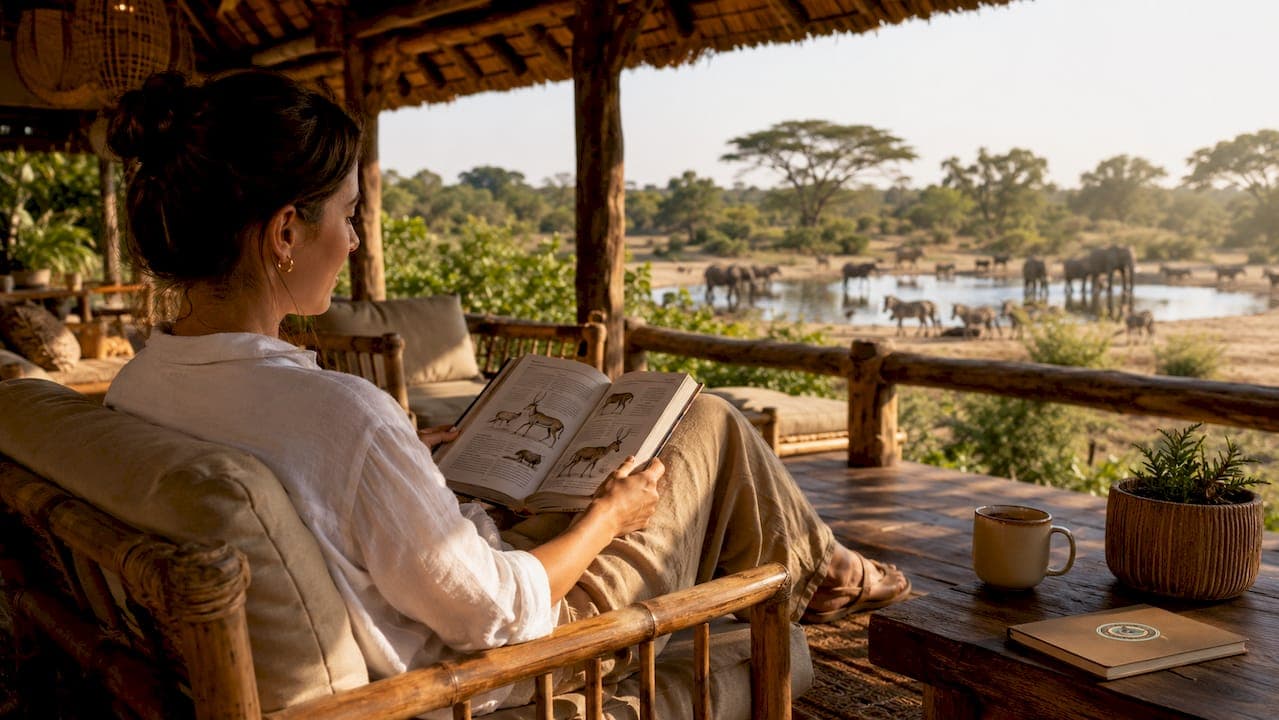
A luxury safari is not simply an expensive version of a standard game drive. At its core, it is a carefully designed experience built around three pillars: exclusive access to private land, expert personalized guiding, and intimate accommodations that put you closer to the wild, not farther from it. What separates a genuine luxury safari from a well-marketed one is operational freedom, the ability to follow a leopard off-road for an hour, linger at a lion sighting until the light is perfect, and structure each day around wildlife behavior rather than a fixed schedule.
Here is what that looks like in practice:
- Private concession access: Your camp holds exclusive or near-exclusive rights to thousands of acres of wilderness, keeping vehicle numbers low and encounters uninterrupted.
- All-inclusive pricing: Rates typically cover accommodation, all meals, twice-daily game drives, park fees, and house drinks. Always confirm whether conservancy fees and bush flights are included, as these add significantly to costs.
- Private vehicles and guides: You set the pace. No shared itineraries, no group compromises.
- Intimate camp sizes: The finest camps carry a small number of guests at any one time to ensure intimacy and personalized service.
- Personalized itineraries: Activities, timing, and focus areas are shaped around your interests and the season's wildlife events.
Luxury safari rates in Africa typically range from $800 to over $3,000 per person per night, inclusive of most core services.
What do luxury safari accommodations actually look like?
The accommodations on a luxury safari go well beyond a comfortable bed. You will typically find intimate lodges or tented camps positioned inside private conservancies, often with no more than a handful of suites. Smaller camps deliver superior service, scheduling flexibility, and a dining experience that feels nothing like a restaurant. High staff-to-guest ratios mean your preferences are learned quickly and your favorite drink is waiting when you return from a morning drive.
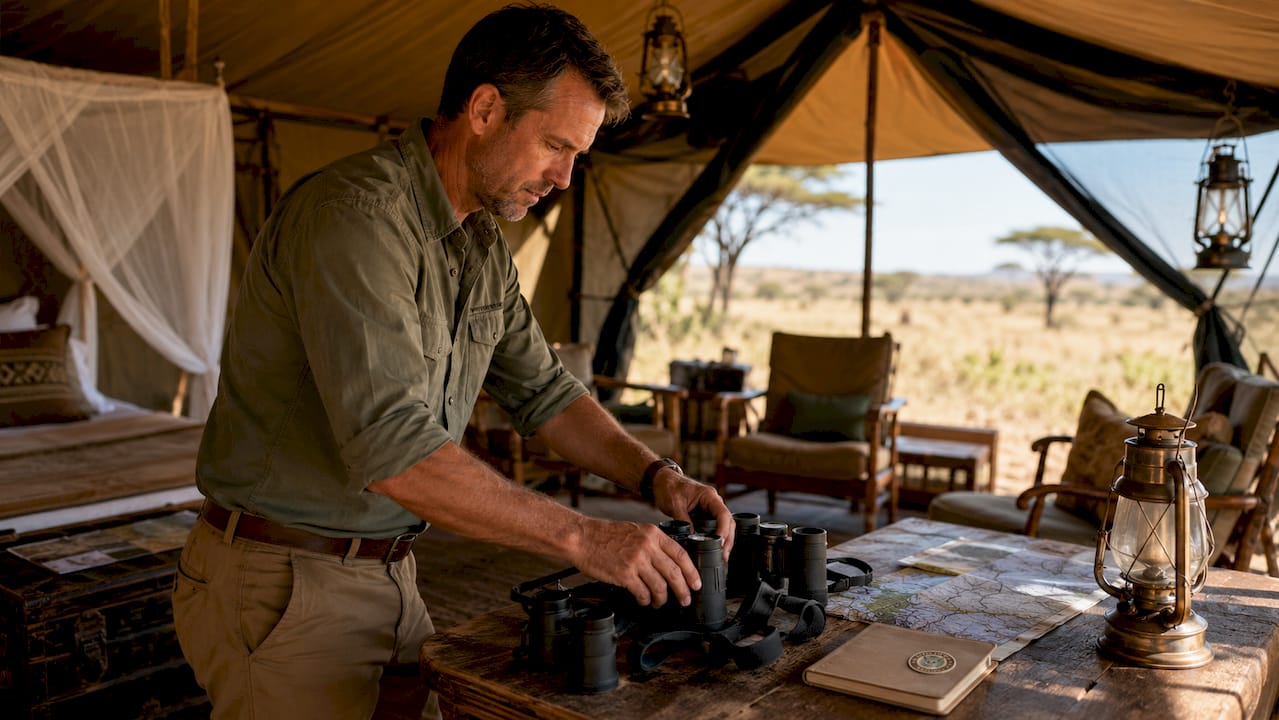
Expect gourmet meals prepared by skilled chefs, often featuring locally sourced ingredients. Private plunge pools, same-day laundry, and spa services appear at many top-tier properties. What makes these comforts meaningful is that they support the experience rather than replace it. You are not sealed off from the wild; you are resting inside it.
Key accommodation features to look for:
- Tented suites or lodge rooms with private outdoor space
- Gourmet dining with personalized menus and dietary accommodation
- High staff-to-guest ratios enabling attentive, anticipatory service
- Private plunge pools and spa facilities at select properties
- Same-day laundry and thoughtful in-room details
Pro Tip: When choosing a camp, ask specifically about the number of guests it carries and the staff-to-guest ratio. A camp hosting eight guests will almost always deliver a more personal experience than one hosting twenty, regardless of how polished the brochure looks. A good resource for understanding what to look for is this guide to safari lodge selection.
How do exclusive wildlife encounters work on a luxury safari?
The quality of your wildlife encounters depends almost entirely on access and guiding. Private concessions allow guides to follow animals off-road and stay at sightings as long as the situation warrants, something that is simply not permitted in most public national parks. When you find lions on a kill inside a private conservancy, you may well be the only vehicle watching.
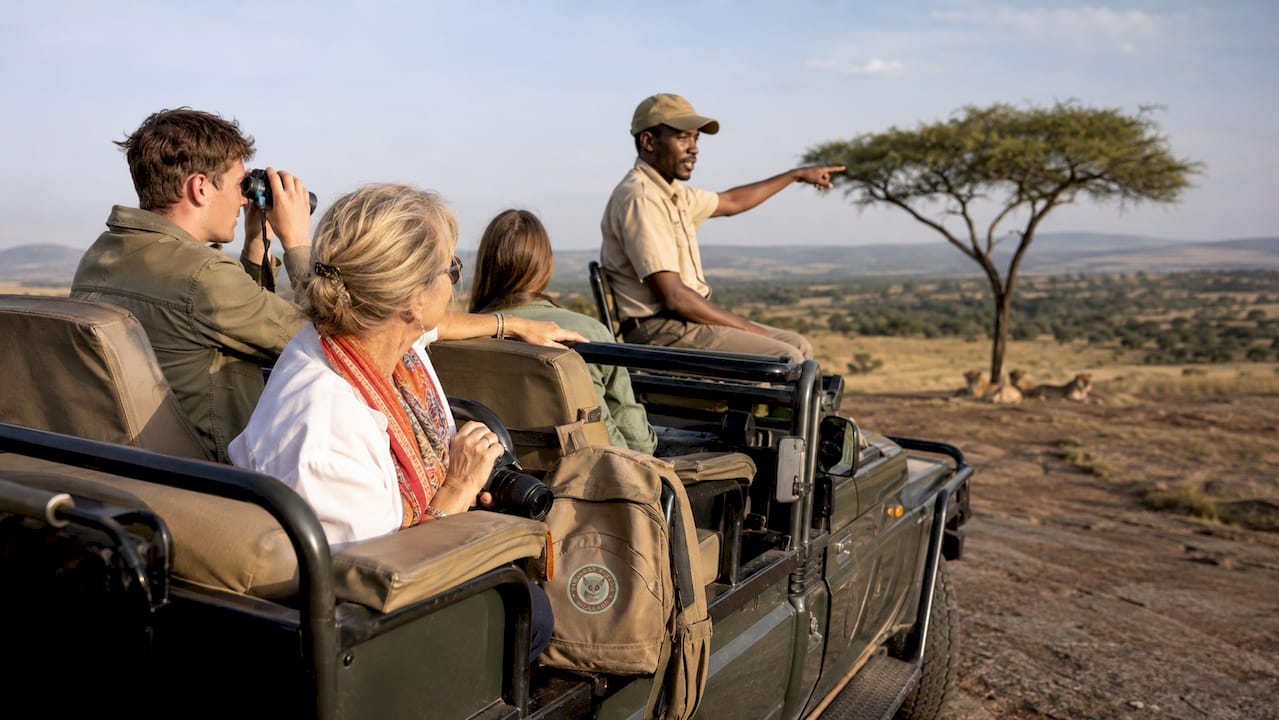
Your guide's expertise shapes everything else. The best guides hold senior field qualifications such as FGASA Level 2 or a KPSGA Gold-Level certification, and they read animal behavior, track spoor, and interpret ecosystems in real time. That depth of knowledge transforms a game drive into something closer to a masterclass.
Luxury itineraries also go beyond the standard morning and evening drive:
- Walking safaris for a ground-level perspective on the bush
- Night drives to find nocturnal species active after dark
- Hot-air balloon flights over savanna landscapes at sunrise
- Custom focus areas for photography, birding, or specific species
- Private vehicle flexibility so you stay at a sighting for as long as you want
Why sustainable practices define modern luxury safaris
True luxury increasingly means low-impact wilderness immersion rather than lavish trappings. Sustainable luxury safaris emphasize environmental respect and conservation partnerships as core values, not marketing add-ons. Exclusivity itself serves conservation: fewer vehicles mean less stress on wildlife, and restricted visitor numbers help preserve the natural behaviors you came to witness.
Responsible luxury operators tend to:
- Partner with local communities through employment and revenue sharing
- Support anti-poaching initiatives and habitat conservation programs
- Limit guest numbers to reduce ecological footprint
- Source food and materials locally wherever possible
- Engage guests in conservation activities such as tracking or community visits
Choosing an operator with genuine community ties means your trip benefits the people whose home you are visiting, making local communities more likely to support the conservation work that keeps these ecosystems intact.
Operational luxury versus decorative luxury: what actually matters
"The camp itself is secondary to the quality of your guide. A brilliant guide in a modest camp will give you a far better safari than a mediocre guide in a beautiful one. The guide is more important than the camp." — Global Travel Worldwide
The term "luxury" is often misused in marketing. Decorative luxury covers the plunge pool, the thread count, and the wine list. Operational luxury covers where your vehicle can go, how long you can stay at a sighting, and whether your guide can anticipate animal movement rather than simply react to it. The second category determines the quality of your safari. The first supports it.
When evaluating any safari offer, look beyond the photographs of the lodge:
- Does the camp sit inside a private concession or on the boundary of a public park?
- Is a private vehicle included as standard, or is it an add-on?
- What certifications does the guiding team hold?
- How many guests does the camp carry at maximum capacity?
- Are conservancy fees and bush flights included in the quoted rate?
Luxury safari versus standard safari: what changes in practice
| Feature | Standard Safari | Luxury Safari |
|---|---|---|
| Land access | Public national park | Private concession or conservancy |
| Vehicle | Shared with other guests | Private, with your own guide |
| Game drive timing | Fixed departure and return | Flexible, based on wildlife activity |
| Off-road tracking | Not permitted in most parks | Permitted in private concessions |
| Camp size | Larger lodges, higher guest numbers | Intimate camps |
| Dining | Buffet-style, communal | Gourmet, personalized, often in the bush |
| Logistics | Primarily overland drives | Bush flights minimize transit time |
| Price range | Premium tier per person per night | Higher-tier premium per person per night |
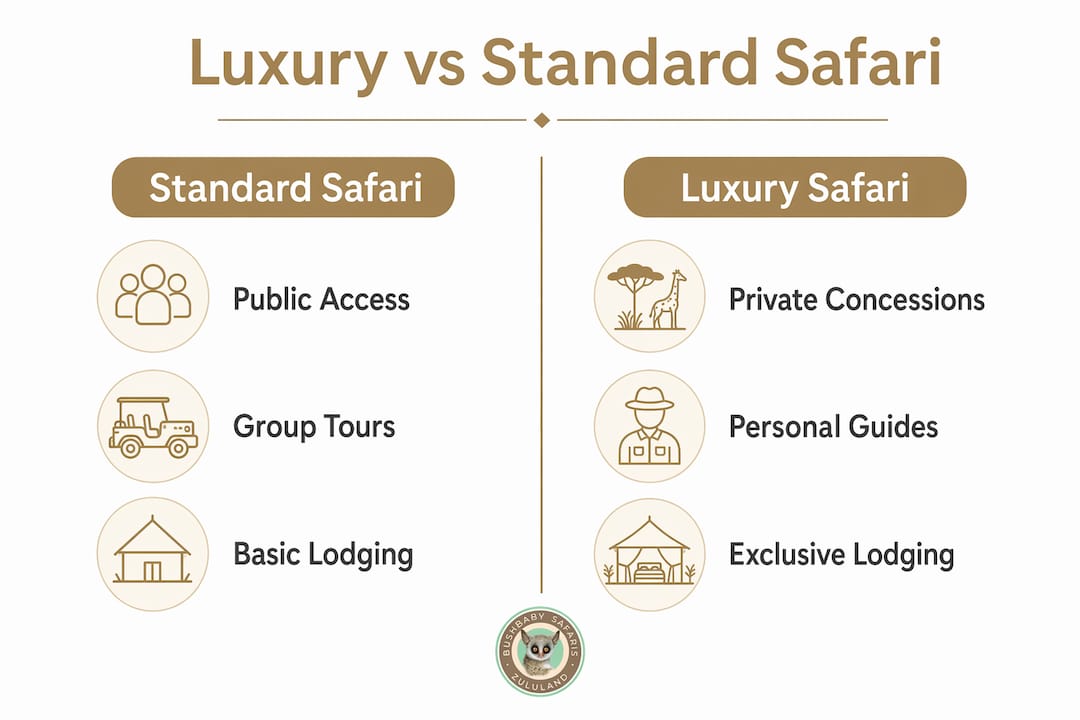
A standard safari delivers sightings and a structured introduction to the environment. A luxury safari delivers control over your time in the field, higher-quality interpretation, and more consistent encounter quality.
Where do the best luxury safaris take place?
Africa holds the world's most celebrated luxury safari destinations, each with a distinct character:
- Kenya (Masai Mara): The Olare Motorogi, Mara North, and Naboisho conservancies offer strict vehicle limits and the spectacle of the Great Migration from July through October.
- Tanzania (Serengeti and Ngorongoro): The northern corridor near the Mara River is prime territory from July onward; the Ndutu area in the south draws travelers for calving season from December through March.
- Botswana (Okavango Delta and Chobe): Remote, low-volume camps and water-based safaris by mokoro canoe make Botswana one of the most exclusive destinations on the continent.
- South Africa (Greater Kruger and KwaZulu-Natal): Private concessions in the Sabi Sand Game Reserve border Kruger National Park, while KwaZulu-Natal offers the Big 5 in Hluhluwe-iMfolozi Park alongside South Africa's first UNESCO World Heritage Site, iSimangaliso Wetland Park.
- Rwanda and Uganda: Mountain gorilla trekking in Volcanoes National Park and Bwindi Impenetrable Forest represents a different category of luxury wildlife encounter entirely.
- Zimbabwe (Hwange and Mana Pools): Walking safaris with expert guides in Mana Pools are widely regarded as among the finest in Africa.
Experience the wild with Bushbaby Safaris Zululand
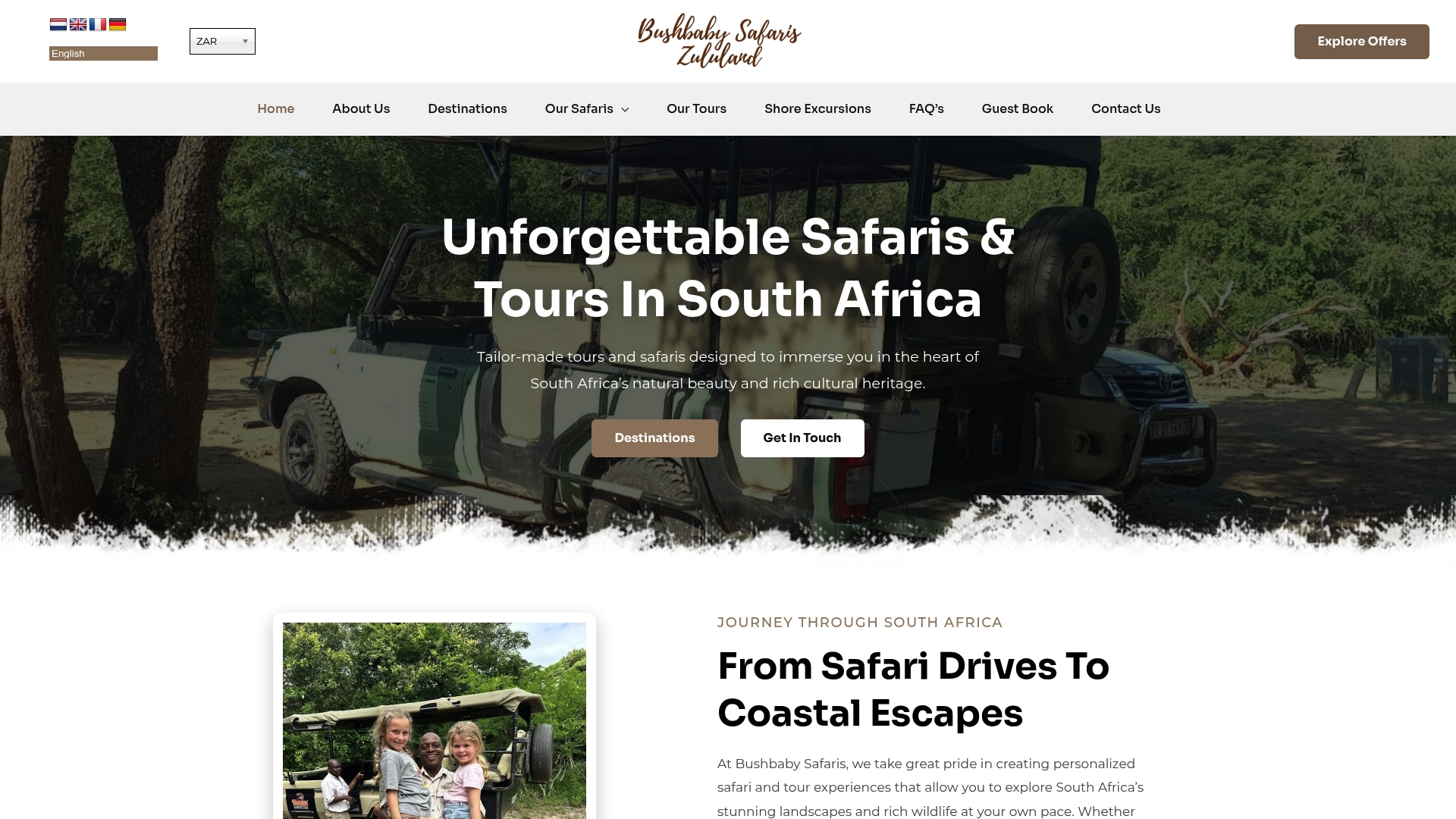
KwaZulu-Natal is one of Africa's most rewarding safari regions, and Bushbaby Safaris Zululand puts you right in the heart of it. From St Lucia and Hluhluwe, open vehicle safaris take you into the Big 5 wilderness of Hluhluwe-iMfolozi Park and the extraordinary iSimangaliso Wetland Park, "Place of Miracle or Wonder." Expert guides who know these parks like the back of their hands give you undivided attention throughout every drive. Browse the Explorer Safari packages to find the experience that fits your travel dates and interests, and get in touch to start planning your adventure.
Key Takeaways
A luxury safari is defined by private land access, expert guiding, and intimate camp sizes, not by lodge aesthetics alone.
| Point | Details |
|---|---|
| Access defines quality | Private concessions allow off-road tracking and unlimited sighting time, which public parks do not permit. |
| Guide expertise matters most | A senior-certified guide in a modest camp outperforms an average guide in a beautiful one. |
| Camp size shapes the experience | The finest camps host a limited number of guests to produce better service and more personal wildlife encounters. |
| Verify all-inclusive details | Conservancy fees and bush flights often add significantly to costs and must be confirmed before booking. |
| Sustainable choices protect the experience | Operators with genuine conservation and community partnerships preserve the ecosystems that make luxury safaris possible. |