
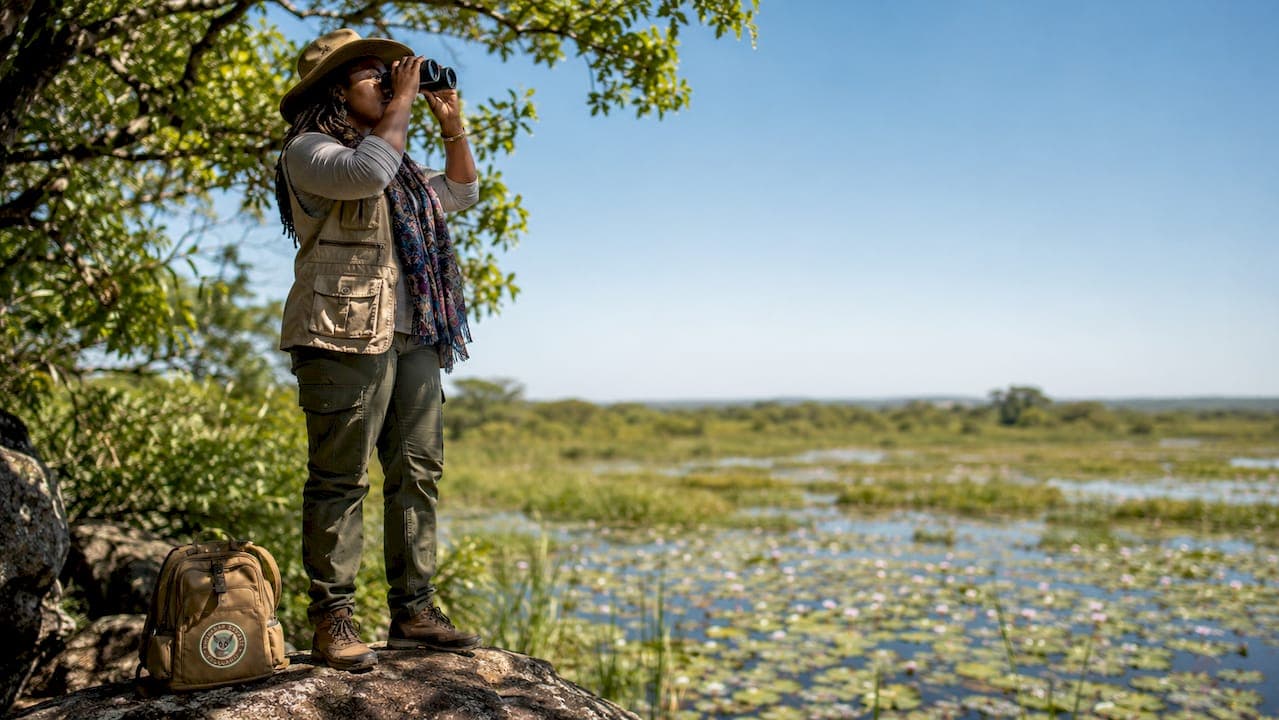
iSimangaliso Wetland Park is defined as South Africa's first UNESCO World Heritage Site and one of the continent's richest birding destinations, hosting over 500 recorded bird species across wetlands, dune forests, estuaries, and coastal habitats. The name "iSimangaliso" translates to "Place of Miracle or Wonder," and for birdwatchers, that name earns its meaning every single morning. This birdwatching iSimangaliso Wetlands step by step guide covers everything you need: the right gear, the best trails, a practical day plan, and the insider knowledge that separates a good birding trip from an unforgettable one.
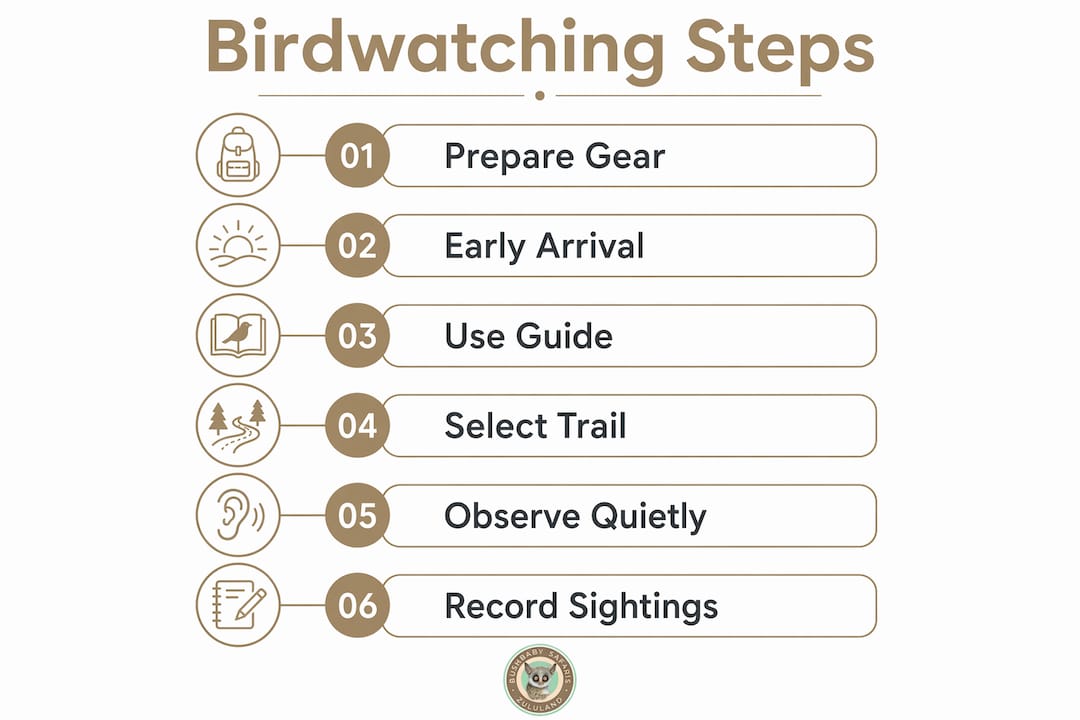
What equipment and preparation do you need for birdwatching in iSimangaliso Wetlands?
Preparation is the single biggest factor in how many species you spot. The park's varied ecosystems span wetlands, dune forests, and open coastal zones, which means conditions change fast and gear matters.
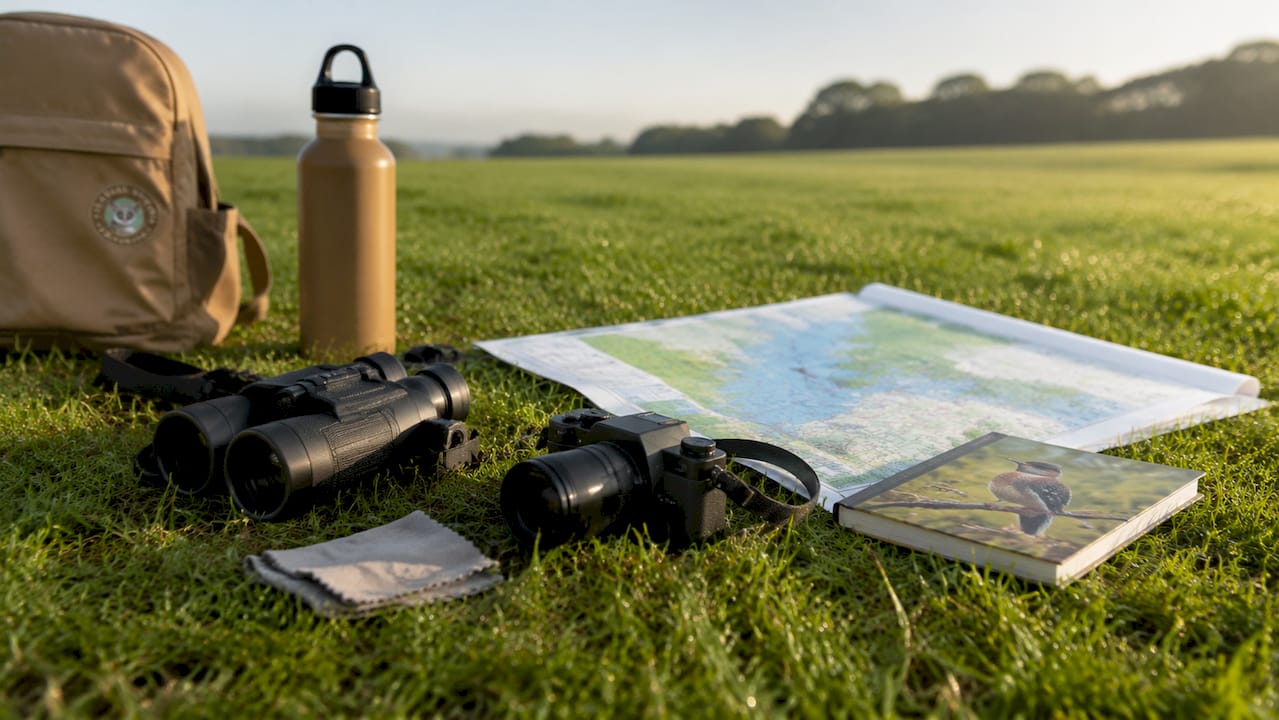
The core kit every birder needs
- Binoculars: An 8x42 or 10x42 model gives you the magnification and field of view needed for both open water and dense forest edges.
- Field guidebook: Roberts Birds of Southern Africa is the gold standard for this region. A digital app version works well as a backup.
- Clothing: Wear neutral, earth-toned layers. Bright colors spook birds and attract insects.
- Water and snacks: Carry at least 1.5 liters per person. The KwaZulu-Natal heat is real, especially from october through march.
- Sun protection: A wide-brimmed hat, sunscreen, and UV-protective clothing are non-negotiable on open trails.
- Camera: A telephoto lens of at least 300mm gives you usable shots of distant waterbirds.
| Item | Why you need it | Priority |
|---|---|---|
| 8x42 binoculars | Balances magnification and brightness in varied light | High |
| Field guidebook | Identifies species on the spot | High |
| Neutral clothing | Reduces disturbance to birds | High |
| 1.5L water minimum | Prevents heat fatigue on trails | High |
| Telephoto camera lens | Captures distant waterbirds clearly | Medium |
| Insect repellent | Protects against mosquitoes near wetlands | Medium |
The park does require a valid entry permit, available at the gates. Respect all posted wildlife warnings. The park is home to 800 hippos and 1,200 crocodiles, so staying on designated trails is not optional.
Pro Tip: Experienced birdwatchers consistently find that local guides and timing outweigh expensive gear. A knowledgeable guide who recognizes bird calls will put you on more species in two hours than a full day of solo searching.
What are the best birdwatching spots in iSimangaliso Wetlands?
The park covers 3,280 square kilometers, so knowing where to go saves you hours. Each zone has its own character and its own star species.
Igwala Gwala Trail
The 1.5 km Igwala Gwala Trail in St. Lucia is the most accessible starting point for birders of all fitness levels. The short distance means you can walk it slowly, stop often, and cover it twice in a morning. Forest-edge species like the African broadbill and various sunbirds are regulars here.
Iphiva Walking Trail
The Iphiva Walking Trail offers more varied terrain and a higher chance of encountering both forest and wetland species in a single outing. The trail passes through transitional habitat zones where you can spot hornbills, kingfishers, and raptors within meters of each other.
Mkuze swamps
The Mkuze swamp section is the park's most productive birding zone, with over 420 species recorded in that area alone. Serious birders prioritize Mkuze because it is less crowded than the St. Lucia estuary and offers a quieter, more focused experience. Migratory flocks arrive between october and april, making this zone especially rewarding in late summer.
Lake St. Lucia estuary
The estuary is where you find the park's most iconic waterbirds. The African finfoot, one of Africa's most elusive species, appears along the reed-lined banks. The African jacana, nicknamed the "Jesus bird" for its ability to appear to walk on water, is a crowd favorite here. Pelicans, flamingos, and various heron species are reliable sightings.
| Trail or location | Length | Difficulty | Notable species |
|---|---|---|---|
| Igwala Gwala Trail | 1.5 km | Easy | Sunbirds, African broadbill |
| Iphiva Walking Trail | Varies | Moderate | Hornbills, kingfishers, raptors |
| Mkuze swamps | Drive-in zone | Easy | 420+ species, migratory waterbirds |
| Lake St. Lucia estuary | Boat or drive | Easy | African finfoot, African jacana, flamingos |
Pro Tip: Visit the Mkuze swamps in the early morning on a weekday. You will have the hides almost entirely to yourself, and the light is perfect for photography.
How do you plan your birdwatching day step by step in iSimangaliso Wetlands?
A well-structured day makes the difference between a handful of sightings and a list that fills pages. Early mornings and late afternoons are the peak activity windows for birds. Plan your day around those two windows.
Sample half-day itinerary
- 5:30 AM: Depart your accommodation in St. Lucia. The park gates open at sunrise, and the first hour of light is the most productive of the day.
- 6:00 AM: Start at the Igwala Gwala Trail. Walk slowly, stop every 50 meters, and listen before you look. Bird calls locate species faster than scanning with binoculars.
- 7:30 AM: Move to the Lake St. Lucia estuary viewpoints. Waterbird activity peaks as the sun warms the water surface. Look for the African jacana and watch the reed banks for the African finfoot.
- 9:00 AM: Join a guided boat cruise on the estuary. Guided boat cruises are the most reliable way to access elusive waterbirds that stay close to dense vegetation. Guides read bird calls and micro-habitats in ways that transform a quiet stretch of water into a sighting.
- 11:00 AM: Return to accommodation for rest and hydration before the midday heat peaks.
- 4:00 PM: Head to the Mkuze swamps for the late afternoon session. The light is golden, the birds are active again, and the atmosphere is unlike anything else in the park.
Photography tips for birdwatchers
- Shoot in burst mode to capture birds in flight.
- Use aperture priority mode with a wide aperture (f/5.6 or lower) to blur backgrounds.
- Position yourself with the sun behind you for the best color on feathers.
- Stay low and move slowly. Crouching reduces your profile and puts birds at eye level.
Pro Tip: A 6-hour safari drive with Bushbaby Safaris Zululand covers the key birding zones in a single guided morning, with an expert who knows exactly where to stop and when.
What mistakes should you avoid when birdwatching in iSimangaliso Wetlands?
Most birdwatching disappointments trace back to a small set of avoidable errors. Knowing them in advance puts you ahead of the majority of visitors.
- Arriving too late: Missing the first two hours of daylight is the most common mistake. Bird activity drops sharply after 9:00 AM as temperatures rise.
- Relying on gear over knowledge: A $2,000 camera does not compensate for not knowing where the African finfoot feeds. Local expertise is the real advantage.
- Ignoring safety protocols: The park's hippos and crocodiles are not decorative. Stay in your vehicle or on designated walking trails at all times.
- Disturbing habitats: Walking off-trail, playing recorded bird calls on speakers, and approaching nests all cause real harm. The park's regulations exist to protect the species you came to see.
- Skipping the Mkuze swamps: Most visitors concentrate on St. Lucia and miss the park's most species-rich zone entirely.
- Not checking seasonal conditions: Some trails close after heavy rain. The park's management office in St. Lucia provides daily updates.
"The birders who see the most are the ones who move the least. Find a productive spot, sit quietly, and let the birds come to you. Patience in iSimangaliso is always rewarded."
Poor weather does not have to end your day. Overcast conditions actually reduce harsh shadows and produce better photography light. Light rain brings out insect activity, which in turn draws insectivorous species into the open.
Key Takeaways
Successful birdwatching in iSimangaliso Wetlands requires early starts, local guidance, and a clear plan built around the park's most productive zones.
| Point | Details |
|---|---|
| Arrive at sunrise | Bird activity peaks in the first two hours of daylight; late arrivals miss the best sightings. |
| Prioritize Mkuze swamps | Over 420 species recorded here, and the area is quieter and less crowded than the estuary. |
| Book a guided experience | Local guides and boat cruises locate elusive species like the African finfoot far more reliably than solo searching. |
| Pack light but smart | Binoculars, a field guide, neutral clothing, and water cover 90% of what you need on any trail. |
| Use both activity windows | Early morning and late afternoon are the two peak birding periods; plan your day around them. |
What I've learned from birding in iSimangaliso that most guides won't tell you
The conventional advice always leads with gear. Buy better binoculars, get a longer lens, download the best app. I disagree with that priority. The single most valuable thing I have done in iSimangaliso is hire a guide who grew up near the park and knows the bird calls the way most people know their own name.
The Mkuze swamps changed how I think about birdwatching entirely. I had spent two mornings at the St. Lucia estuary, which is spectacular, but busy. The morning I drove out to Mkuze, I had a hide to myself for three hours. I watched a flock of migratory waders work the shallows while a purple heron stood motionless twenty meters away. Nobody else was there. That kind of stillness is what serious birding actually feels like.
Patience is the skill nobody talks about. You can read every field guide and still miss the African finfoot if you are walking too fast or talking too loudly. The birds are there. The question is whether you are quiet enough to let them show themselves.
My honest recommendation: book at least one guided iSimangaliso safari drive before you attempt a solo day. The knowledge you absorb in one guided morning will make every subsequent visit more productive.
— Larni
Plan your iSimangaliso birding experience with Bushbaby Safaris Zululand
Bushbaby Safaris Zululand runs open vehicle safari drives into iSimangaliso Wetland Park from all accommodations in St. Lucia and Hluhluwe. The guides know the park's birding zones, the seasonal patterns, and the exact spots where the African finfoot and African jacana show up most reliably.

Whether you want a focused half-day or a full-day deep dive, the standard safari packages cover the key wetland and estuary zones with expert guidance built in. Morning departures align perfectly with peak bird activity, and the open vehicles give you unobstructed sightlines for photography. You can also add shore excursions for boat-based access to the estuary's most productive reed banks. Book directly through Bushbaby Safaris Zululand for the most current availability and package options.
FAQ
How many bird species live in iSimangaliso Wetland Park?
iSimangaliso Wetland Park hosts over 500 recorded bird species across its wetlands, dune forests, estuaries, and coastal habitats. The Mkuze swamp section alone accounts for more than 420 of those species.
When is the best time for birdwatching in iSimangaliso Wetlands?
The peak birdwatching season runs from february to april, when migratory species swell the resident population. Early morning visits during this period offer the highest species counts.
Do I need a guide for birdwatching in iSimangaliso Wetlands?
A guide is not legally required, but local expertise consistently produces more sightings, especially for elusive species like the African finfoot. Guided boat cruises on the estuary are the most reliable way to access reed-bank species.
What is the easiest birdwatching trail in iSimangaliso Wetlands?
The Igwala Gwala Trail at 1.5 km is the most accessible option, with flat terrain and high bird activity. It suits all fitness levels and is a strong starting point for first-time visitors.
Is birdwatching in iSimangaliso safe?
The park is safe when you follow designated trails and vehicle routes. The presence of 800 hippos and 1,200 crocodiles means you must stay on marked paths and never approach the water's edge on foot outside of designated areas.