
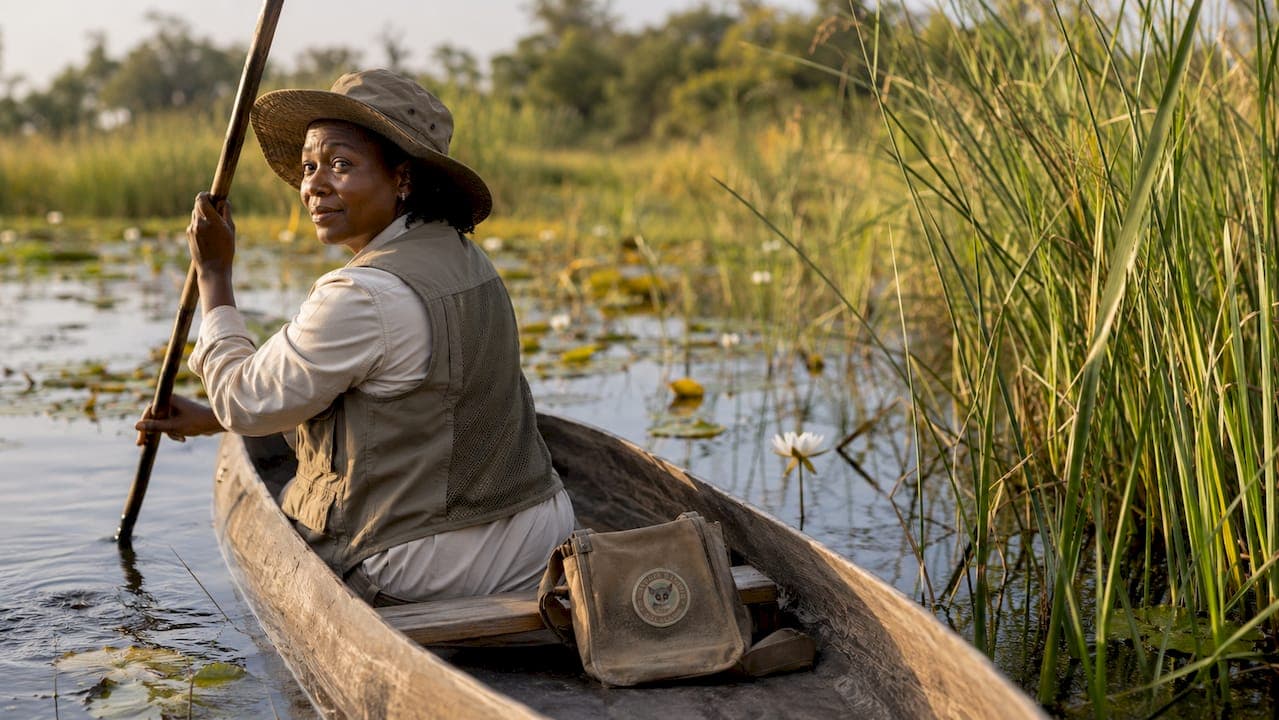
A wetland safari is a guided wildlife excursion conducted by boat, canoe, or traditional mokoro through lagoons, rivers, and floodplains that land vehicles simply cannot reach. These water-based nature safaris place you at eye level with the ecosystem, where hippos surface just meters away and kingfishers dart past your bow. Tours typically run 45–90 minutes with groups of 6–10 guests, keeping the experience intimate and low-impact. The industry term is "water-based safari," though wetland safari and wetland eco tour are widely used interchangeably. iSimangaliso Wetland Park in KwaZulu-Natal, South Africa, and Ramsar-designated wetlands worldwide represent the gold standard for this kind of experience.
What is a wetland safari, and how does it work?
A wetland safari is defined as any guided wildlife viewing excursion that uses water-based vessels to access aquatic and semi-aquatic habitats. The experience is fundamentally different from sitting in a game drive vehicle. You move silently through channels, reeds, and open water, observing animals that behave naturally because they are not startled by engine noise or tire tracks.
The craft used depends on the destination and water depth. Mokoros are traditional dugout canoes, poled from the stern by a skilled guide. Flat-bottomed boats and silent electric vessels handle wider, deeper waterways. Each vessel type shapes the wildlife encounter you get. A mokoro gliding through shallow lily pads delivers a completely different atmosphere than a motorized boat on an open lake.
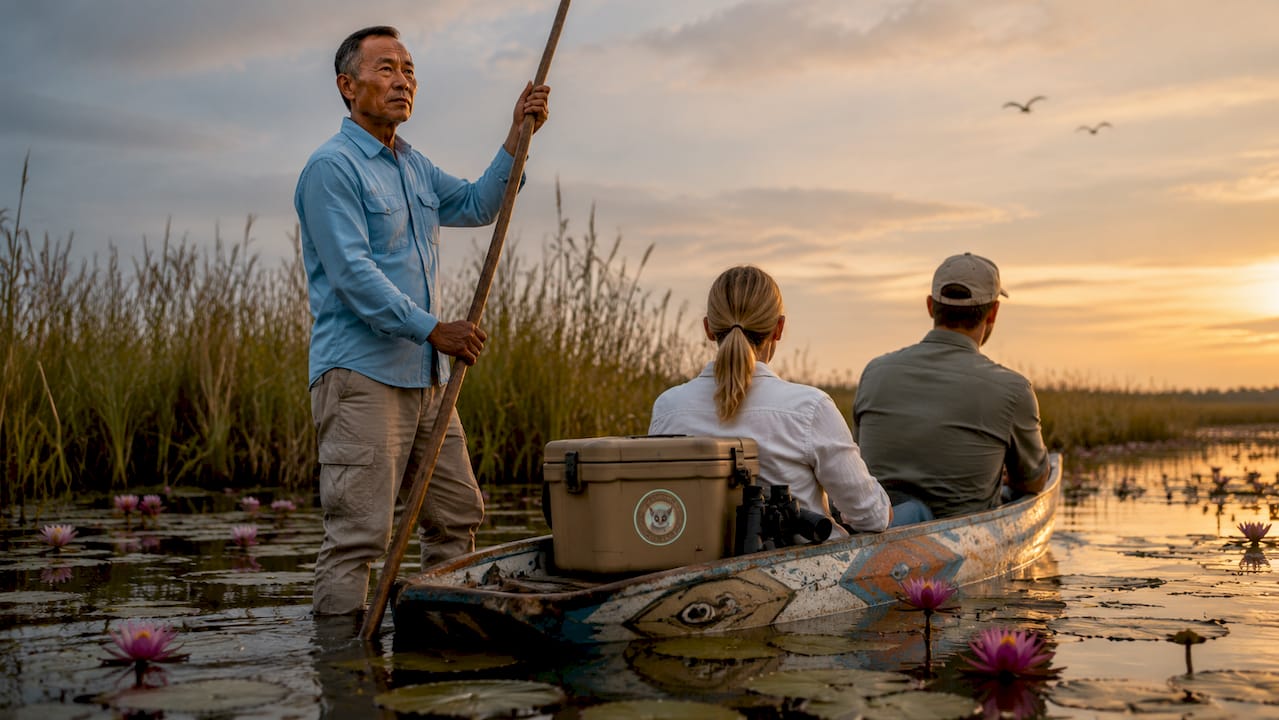
Guides on wetland safaris carry deep local knowledge. A guide's expertise in reading shifting water channels and locating wildlife during seasonal changes is the single biggest factor in the quality of your experience. This is not a self-guided activity. The best wetland wildlife experiences depend entirely on who is steering.
How do wetland safaris differ from traditional land-based safaris?
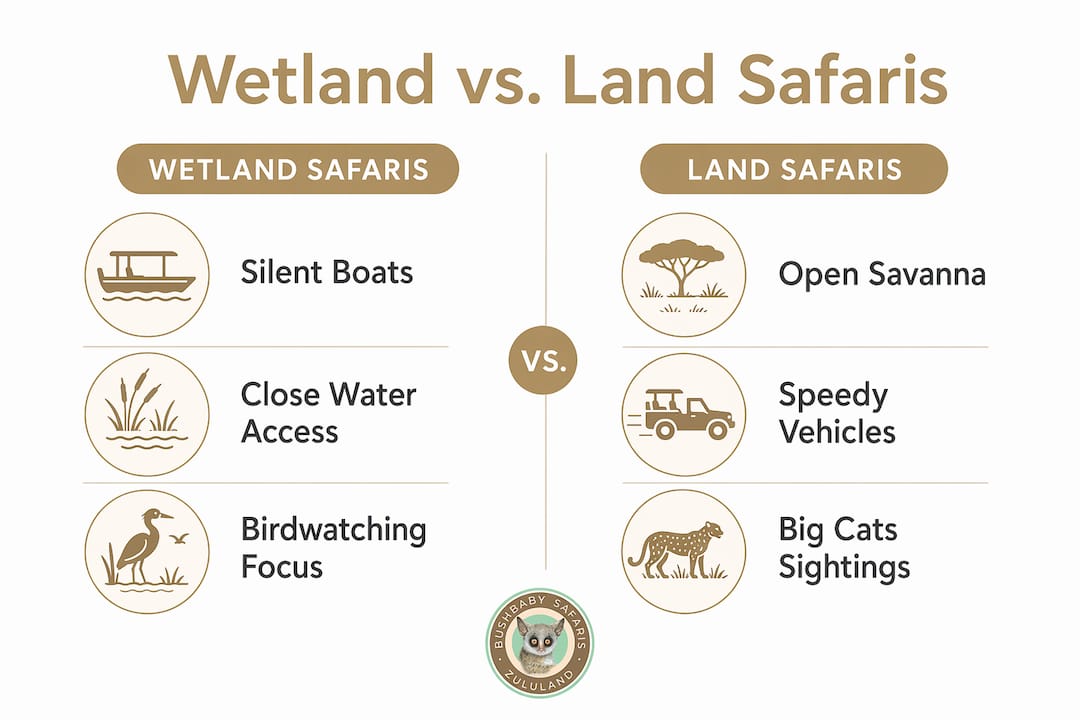
The core difference is sensory. Land safaris deliver speed, dust, and the thrill of open savanna. Wetland safaris deliver stillness, reflection, and proximity. Water-level observation grants photographic angles impossible from a raised game drive vehicle. You shoot across the water surface, capturing reflections, eye-level portraits of wading birds, and the full bulk of a hippo at the waterline.
Wildlife behavior also changes near water. Animals that drink, bathe, or feed in wetlands are often calmer and more predictable than those encountered on open plains. A crocodile basking on a sandbank does not register a silent mokoro the way it would a diesel engine. That behavioral difference is what makes wetland safaris feel, as one tour operator put it, like "a whole other level."
Key contrasts between the two safari types:
- Terrain: Waterways and channels instead of dirt tracks and roads
- Vessel: Canoe, mokoro, or electric boat instead of open 4x4
- Noise level: Near-silent instead of engine-driven
- Wildlife behavior: Calmer, less disturbed animals near water sources
- Photography: Water-level angles, reflections, and intimate framing
- Group size: Typically 6–10 guests for minimal ecological footprint
Pro Tip: Bring a waterproof camera bag or dry sack. Spray and splashes are common, and a ruined camera lens is the fastest way to end a great morning on the water.
What types of wetlands and wildlife can you expect?
Wetland habitats span a remarkable range of ecosystems, and each one delivers a distinct wildlife experience. The main types you will encounter on guided wetland eco tours include floodplains, freshwater lagoons, coastal marshes, and mangrove systems. Each supports different species assemblages and seasonal rhythms.
Bird diversity
Wetlands are the world's most productive bird habitats. Specific Mediterranean and coastal wetlands have recorded over 240 bird species within a single protected area. Coastal sanctuaries in Sri Lanka list 159 species in lagoon environments alone. That density is extraordinary. You can expect herons, egrets, pelicans, fish eagles, kingfishers, storks, and jacanas on most African and Asian wetland safaris. Seasonal migrants dramatically increase species counts during spring and autumn.
Iconic wetland mammals and reptiles
The mammals that define wetland safaris are hippos, elephants, and buffalo at water sources, plus smaller species like otters and water mongooses. Nile crocodiles are present in most African wetland systems and are best observed from the water, where guides maintain safe distances. Seasonal flooding concentrates these animals in predictable zones, making wildlife sightings more reliable than on open savanna.
| Wetland Type | Characteristic Wildlife | Best Season |
|---|---|---|
| Floodplain | Hippo, elephant, buffalo, fish eagle | Dry season (animals concentrate at water) |
| Freshwater lagoon | Pelican, heron, crocodile, otter | Year-round, peak in dry months |
| Coastal marsh | Flamingo, stork, wading birds | Wet season migration peaks |
| Mangrove system | Kingfisher, mudskipper, crab-eating mongoose | Dry season, low tide |
Seasonal migration is the variable that most affects what you see on a wetland adventure trip. Flooding brings animals to higher ground and concentrates birds on exposed mudflats. Dry conditions push large mammals to permanent water sources, making sightings dense and dramatic.
Where are the best destinations for wetland safaris?
The world's finest wetland safari destinations share one trait: Ramsar designation or equivalent protected status that limits development and preserves water quality. Here are the standout locations for exploring wetland habitats.
-
iSimangaliso Wetland Park, South Africa. South Africa's first UNESCO World Heritage Site, iSimangaliso means "Place of Miracle or Wonder" in Zulu. The park protects a mosaic of lakes, estuaries, coral reefs, and coastal forests in KwaZulu-Natal. It hosts hippos, crocodiles, leatherback turtles, and over 520 bird species. Bushbaby Safaris Zululand operates guided excursions into iSimangaliso from St Lucia and Hluhluwe accommodations.
-
Okavango Delta, Botswana. The Okavango is the world's largest inland delta. Annual floodwaters transform the Kalahari into a watery paradise explored by mokoro on shallow channels and by motorboat on wider waterways. Wildlife density during flood season is extraordinary.
-
Hutovo Blato, Bosnia and Herzegovina. This European Ramsar wetland offers 45-minute boat safaris at approximately €10, with private photo blind rentals available for around €20 per session. It records exceptional bird diversity and is one of Europe's most accessible wetland eco tours.
-
Kalametiya Lagoon, Sri Lanka. A coastal sanctuary with 159 recorded bird species, Kalametiya offers guided lagoon safaris using quiet, non-motorized vessels. The site is a model for low-impact wetland conservation tours in Asia.
-
iMfolozi Floodplains, South Africa. Hluhluwe-iMfolozi Park, adjacent to iSimangaliso, protects the oldest proclaimed nature reserve in Africa. Its river systems and floodplains support the Big 5 alongside dense bird populations.
What to expect and how to prepare for a wetland safari
Preparation for a wetland safari differs from a standard game drive in several practical ways. Water, weather, and seasonal conditions all shape what you experience. Going in informed makes the difference between a good trip and a great one.
Seasonal timing matters most. Wetland safaris depend heavily on seasonal water levels. Some destinations are only accessible during flood season; others are best in the dry months when animals concentrate near permanent water. Always verify hydrological conditions before booking.
Gear and clothing checklist:
- Neutral-colored, lightweight clothing (khaki, olive, gray)
- Wide-brimmed hat and high-SPF sunscreen
- Polarized sunglasses to cut water glare
- Waterproof dry bag for cameras and phones
- Binoculars (8x42 magnification is the standard for birding)
- Insect repellent, particularly for dawn and dusk excursions
Safety considerations. Guides maintain strict distance protocols around hippos and crocodiles. Never trail a hand in the water. Follow every instruction your guide gives without delay. Wildlife near water can move faster than you expect.
Pro Tip: Book morning departures whenever possible. Light is softer, animals are more active, and temperatures are cooler on the water. The first two hours after sunrise are consistently the most productive for both wildlife sightings and photography.
Booking and permits vary by destination. Some Ramsar-protected areas require advance park permits on top of the safari fee. Specialized infrastructure like photo blinds and hidden canals must be reserved ahead of time, as they accommodate only small groups and fill quickly.
How do eco-tourism and conservation shape modern wetland safaris?
Responsible wetland safaris are built around one principle: the ecosystem comes first. Eco-conscious wetland tours avoid wildlife feeding entirely and use quiet, small vessels to preserve natural animal behavior. This is not just ethical preference. It is what makes the experience worth having.
Non-motorized vessels such as hand-paddled mokoros and silent electric boats are the standard for reputable operators. Airboats and loud motorized craft are actively discouraged in high-biodiversity zones because noise pollution disrupts feeding, breeding, and resting behaviors. The quieter the vessel, the closer you get.
Conservation-focused wetland safaris also support local communities. Revenue from guided excursions funds ranger salaries, anti-poaching operations, and habitat restoration in many Ramsar-protected areas. Choosing a responsible operator is a direct contribution to the wetland you are visiting.
"True wetland experiences avoid noise pollution by banning loud airboats and favoring hand-paddled or electric boats, preserving natural animal behavior and visitor immersion. The silence is not just comfortable. It is the whole point."
Specialized infrastructure reinforces this ethos. Photo blinds and concealed waterways allow guests to observe shy species without disturbance, enriching both the birdwatching and photography experience. These amenities are designed for small groups, which keeps pressure on sensitive habitats low and the quality of each encounter high.
Key Takeaways
A wetland safari is the most intimate form of wildlife viewing available, defined by silent vessels, water-level access, and ecosystems that land vehicles cannot reach.
| Point | Details |
|---|---|
| Core definition | A wetland safari uses boats, canoes, or mokoros to access aquatic habitats inaccessible by land vehicle. |
| Group size and duration | Tours run 45–90 minutes with 6–10 guests to minimize ecological impact and maximize intimacy. |
| Seasonal planning | Water levels determine access and wildlife density; always verify conditions before booking. |
| Eco-tourism standard | Reputable operators use non-motorized or electric vessels and prohibit wildlife feeding. |
| Top destinations | iSimangaliso Wetland Park, the Okavango Delta, and Hutovo Blato represent the global benchmark for wetland eco tours. |
Why wetland safaris changed how I think about wildlife viewing
I have spent time on both open game drives and water-based excursions, and the difference is not subtle. On a land safari, you are always slightly above the action, looking down from a vehicle. On a mokoro or a flat-bottomed boat, you are inside the scene. A hippo yawning three meters away is not a sighting. It is an encounter.
What surprises most first-timers is the silence. No engine, no road noise, no dust. Just water, birds, and the soft push of a pole through shallow reeds. That silence changes how animals respond to your presence. I have watched a fish eagle land on a branch directly overhead because the boat made no sound worth reacting to.
My honest advice: do not treat a wetland safari as a secondary activity to a land game drive. Plan it as its own dedicated experience with its own morning or afternoon slot. The light on the water at dawn is unlike anything you will photograph from a 4x4. And if you are visiting iSimangaliso, the wetland itself is the destination, not just the backdrop.
Choose an operator who knows the waterways well. Local guide knowledge is the single biggest variable in what you see. A guide who has worked the same channels for years will find the crocodile on the sandbank, the purple heron in the reeds, and the hippo pod around the bend before you even know to look.
— Larni
Wetland safaris with Bushbaby Safaris Zululand
Bushbaby Safaris Zululand operates expert-guided excursions into iSimangaliso Wetland Park, South Africa's first UNESCO World Heritage Site, from accommodations in St Lucia and Hluhluwe. The park's name translates to "Place of Miracle or Wonder," and the wildlife inside lives up to that name. Hippos, crocodiles, leatherback turtles, and over 520 bird species share a mosaic of lakes, estuaries, and coastal forest.
Whether you are looking for a full-day iSimangaliso safari or a shorter morning excursion, Bushbaby Safaris Zululand offers open-vehicle experiences with guides who know these waterways and bushveld like the back of their hands. Browse the full range of safari packages and find the excursion that fits your schedule and interests. Nature does what nature does out here, and the guides are ready for all of it.
FAQ
What is a wetland safari in simple terms?
A wetland safari is a guided wildlife excursion conducted by boat, canoe, or mokoro through lagoons, rivers, and floodplains. It gives you quiet, water-level access to ecosystems and animals that land vehicles cannot reach.
What wildlife can you see on a wetland safari?
Hippos, crocodiles, elephants, and a wide range of waterbirds including herons, pelicans, fish eagles, and kingfishers are common. Specific wetland sanctuaries have recorded over 240 bird species in a single protected area.
When is the best time to go on a wetland safari?
The best time depends on the destination. Dry season concentrates large mammals at permanent water sources, while wet season peaks bring migratory birds. Always check water levels before booking, as access depends on hydrological conditions.
Are wetland safaris eco-friendly?
Reputable wetland safaris use non-motorized or electric vessels, prohibit wildlife feeding, and operate in small groups of 6–10 guests. These practices preserve natural animal behavior and minimize habitat disturbance.
How long does a wetland safari last?
Most wetland safari excursions run 45–90 minutes, though full-day options are available at destinations like iSimangaliso Wetland Park. Morning departures are recommended for the best light and most active wildlife.