
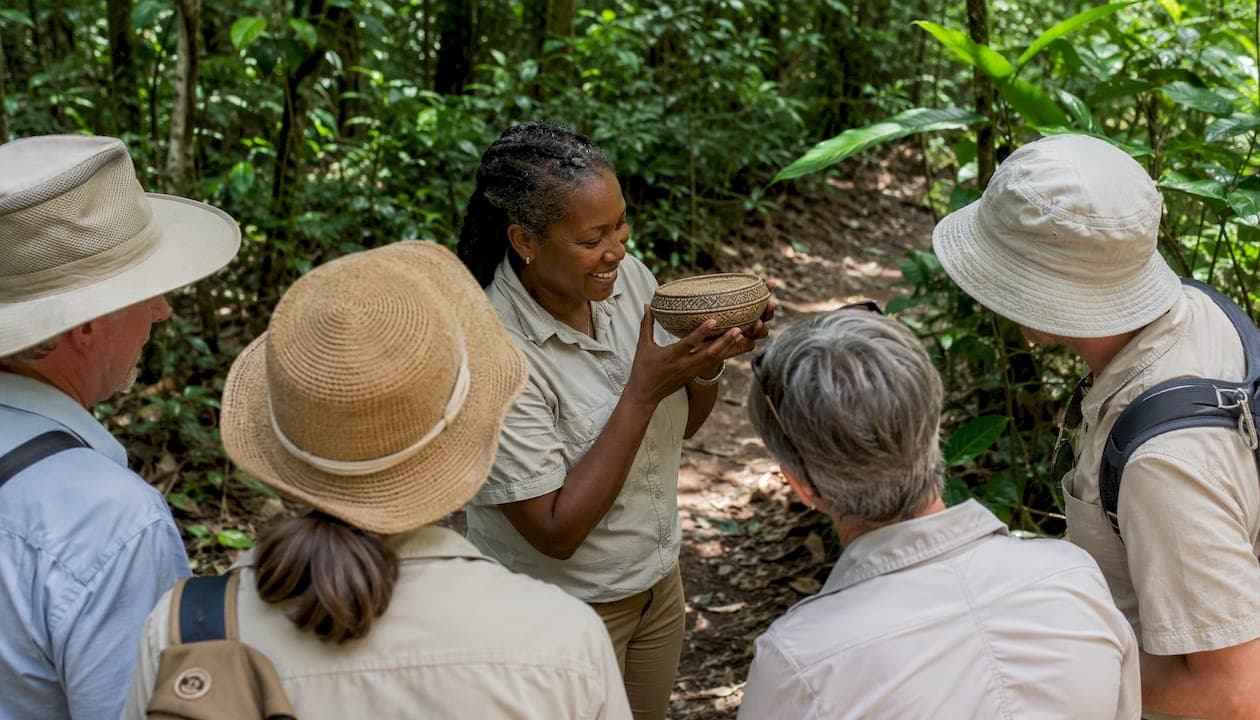
A cultural experience on a South Africa safari is a guided, community-linked activity that deliberately connects wildlife sightings to local history and land stewardship. Think heritage walks through Iron Age sites, homestead visits with Zulu families, indigenous plant-knowledge sessions led by community guides, craft workshops, and shared meals prepared from locally sourced ingredients. These aren't optional extras bolted onto a game drive. They are the context that makes the wildlife make sense.
The best places to find genuinely integrated wildlife and heritage experiences in South Africa include:
- Hluhluwe–iMfolozi Park (KwaZulu-Natal): Zulu homestead visits and indigenous plant-knowledge walks alongside Big 5 game drives
- iSimangaliso Wetland Park (KwaZulu-Natal): South Africa's first UNESCO World Heritage Site, with cultural shoreline sites and wetland heritage interpretation
- Mapungubwe National Park (Limpopo): A UNESCO cultural landscape combining Iron Age archaeology with bushveld wildlife viewing
- Bushbaby Safaris Zululand: Open-vehicle safaris from St Lucia and Hluhluwe that pair Big 5 drives with community heritage visits
Table of Contents
- Why cultural experiences deepen a wildlife safari
- What types of cultural activities can you find on safari?
- Where do you find the best wildlife and heritage experiences?
- How do you choose an ethical, community-led excursion?
- How should you prepare for a cultural visit on safari?
- Bushbaby Safaris Zululand: wildlife and heritage in one day
- Two sample itineraries that pair wildlife and heritage
- How does tourism affect local communities?
- Safety and health precautions for cultural safari interactions
- Key Takeaways
- The detail that changes everything
- Ready to book your integrated wildlife and heritage safari?
- Useful sources and further reading
Why cultural experiences deepen a wildlife safari
Cultural context transforms a wildlife sighting from a checklist moment into something you carry home. When a local guide explains that a particular fig tree is a traditional meeting point for community elders, and then a troop of vervet monkeys descends from its canopy, you see the tree differently. You see the whole ecosystem differently.
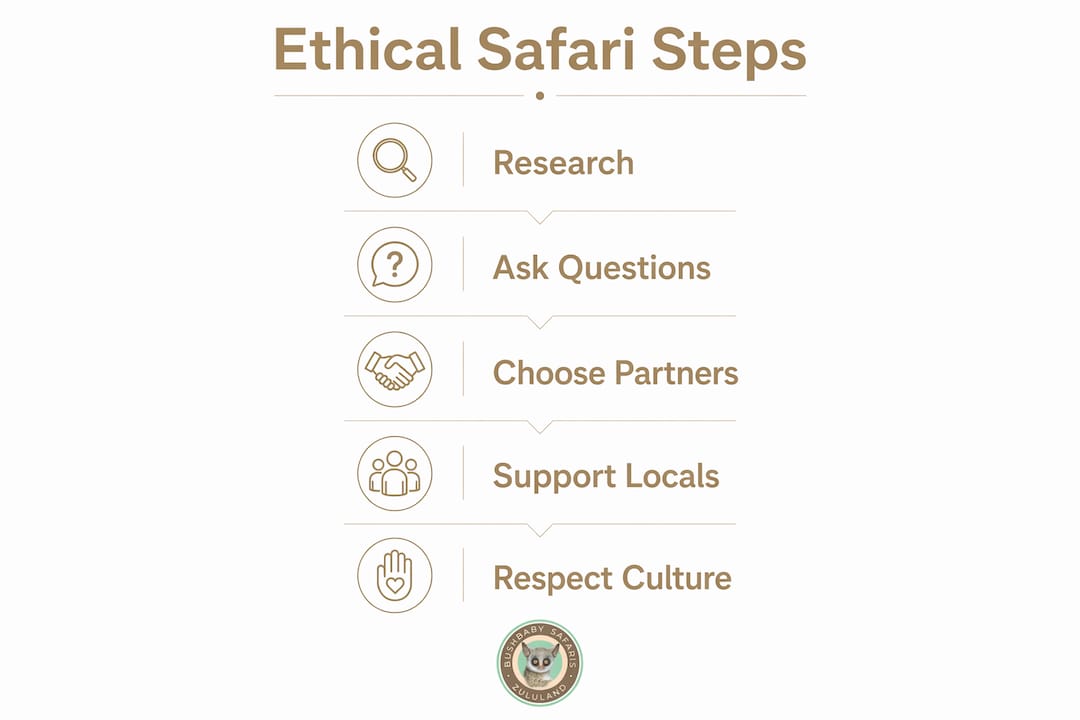
Heritage interpretation also strengthens conservation outcomes. Communities that share in tourism revenue have a direct stake in protecting wildlife corridors and land. UNESCO World Heritage designation is increasingly used by operators as an organizing principle for safari routes, placing heritage at the center rather than treating it as a sightseeing detour. Mapungubwe National Park is a clear example: its interpretation centre tells the story of an early southern African kingdom, and that narrative runs alongside game drives through the Limpopo floodplain.
Pro Tip: Before booking any cultural excursion, ask your operator directly: "Does revenue from this visit return to the community, and how?" A genuine answer will name a specific project — a school, a healthcare initiative, or a craft cooperative.
- Community partnerships tend to produce more authentic visits than one-off arrangements
- Heritage centres and park interpretation programs (like Mapungubwe's) provide archaeological context that enriches wildlife viewing
- Community-owned reserves created through land restitution often offer the most authentic experiences because community stewardship shapes every visitor interaction
What types of cultural activities can you find on safari?
South African safari operators offer a wider range of heritage activities than most travelers expect. Here's what to look for, and who each suits best:
- Village and homestead visits: Guided walks through a living homestead, with introductions to family structure, lobola (traditional marriage customs), and ancestral reverence. Family-friendly; typically 1.5–3 hours. Interactive and conversational.
- Indigenous plant and healing walks: A community guide leads a slow walk identifying medicinal plants and explaining their traditional uses. Ideal for curious adults and older children; usually 1–2 hours. Low mobility demands on flat terrain.
- Heritage-site tours (archaeology and rock art): Guided visits to Iron Age settlements, ancient stone tool sites, or rock art panels. Half-day to full-day. Suits history-minded travelers and older kids.
- Craft workshops and markets: Hands-on beadwork, weaving, or calabash carving with local artisans. Genuinely interactive; great for families. Usually 1–2 hours as a morning or afternoon add-on.
- Culinary demonstrations and shared meals: Preparing and tasting traditional dishes — mealies, sweet potatoes, free-range chicken, and sometimes traditional beer. Typically 1–2 hours; highly family-friendly.
- Community conservation and school visits: Seeing how tourism revenue funds local projects. More observational; best suited to travelers with a conservation focus.
- Prioritize community-led visits where the community defines the content and guides come from the area.
- Choose interactive formats (plant-walks, beadwork, cooking) over purely observational performances. Active engagement consistently produces deeper understanding than passive watching.
- Combine a short cultural add-on (1–2 hours) with a morning game drive for a half-day that covers both wildlife and heritage without fatigue.
- For multi-day trips, build in at least one dedicated half-day for a heritage-site tour or homestead visit.
Where do you find the best wildlife and heritage experiences?
KwaZulu-Natal and Limpopo offer the most integrated wildlife-plus-heritage options in South Africa, with select Greater Kruger and coastal protected areas providing strong alternatives.
- Hluhluwe–iMfolozi Park: Africa's oldest proclaimed nature reserve and home to the Big 5. Operators running safaris from St Lucia and Hluhluwe can pair game drives with Zulu homestead visits and plant-knowledge sessions in the surrounding communities.
- iSimangaliso Wetland Park: "iSimangaliso" translates as "Place of Miracle or Wonder," and the name earns its meaning. This UNESCO World Heritage Site encompasses wetlands, coastal dunes, coral reefs, and cultural shoreline sites. A full-day drive here covers ecosystems and heritage interpretation in one sweep.
- Mapungubwe National Park: The park's heritage tours and interpretation centre tell the story of a sophisticated Iron Age kingdom. Game drives along the Limpopo floodplain run alongside guided walks to Mapungubwe Hill. Best accessed May through September when the heat is manageable.
- Greater Kruger region: Cultural village experiences (such as those near Hoedspruit, featuring Shangaan, Venda, and Tsonga heritage) are available as half-day add-ons. Seasonal access is generally year-round, though summer rains (November–March) can affect road conditions.
How do you choose an ethical, community-led excursion?
Prioritize community-led experiences that clearly share revenue, keep groups small, and are conversational rather than performative. Here's a practical checklist:
- Ask who designed the visit. If the answer is the lodge or tour operator alone, probe further. Genuine visits are shaped by the community.
- Ask how revenue returns to the community. A credible operator names a specific project — not just "we support local communities."
- Check guide credentials. Are guides from the community itself? Local guides who grew up on the land provide the most resonant context.
- Confirm group size. Small groups (under 12) allow real conversation. Larger groups tend toward performance.
- Ask about photography consent. Ethical operators brief guests on consent before arrival, not at the gate.
Red flags to watch for:
- "Show villages" with no connection to a living community or ongoing projects
- Pressure to buy from individuals rather than community cooperatives
- No clear route or schedule transparency from the operator
- Long-term community partnerships that include education or healthcare projects are a strong positive signal
Typical price ranges: short cultural add-ons often cost a moderate fee per person when booked through an operator. Half-day dedicated heritage excursions usually have a higher fee range. Book community-led visits at least 48–72 hours in advance; popular homestead experiences near Hluhluwe can fill quickly in peak season (June–September).
How should you prepare for a cultural visit on safari?
Preparation makes the difference between a respectful, rewarding exchange and an awkward one. Pack small amounts of local cash (South African rand) — many rural artisans and craft cooperatives do not accept cards or digital payments. Buying directly from artisans supports individual households far more effectively than purchasing through a lodge gift shop.
- Dress modestly: Cover shoulders and knees for homestead visits. Comfortable, closed-toe shoes work for plant walks.
- Ask before photographing: Always request consent, especially for portraits of community members and children.
- Tip thoughtfully: Tipping your community guide directly is appropriate and appreciated. Buying a craft item is often more meaningful than a cash tip to a group.
- Show genuine curiosity: Ask questions, listen fully, and resist the urge to compare everything to home. The role of your local guide is to interpret — let them lead.
- Family timing: Morning visits (7–10 AM) work best for young children before heat and fatigue set in. Late afternoon (3–5 PM) is a good second option.
- Health notes: Consult your physician about malaria prophylaxis before traveling to KwaZulu-Natal. Carry hand sanitizer for rural visits. If you have food allergies, inform your operator before any shared-meal experience.
Bushbaby Safaris Zululand: wildlife and heritage in one day
Bushbaby Safaris Zululand runs open-vehicle Big 5 safaris from all accommodations in St Lucia and Hluhluwe, combining wildlife drives through Hluhluwe–iMfolozi Park and iSimangaliso Wetland Park with community heritage visits and cultural interpretation. The Safari & Cultural Explorer – Hluhluwe tour is the flagship combined experience: a morning game drive through the Big 5 park followed by a guided community heritage visit, all in a single day.
Key features of Bushbaby Safaris Zululand's integrated approach:
- Open vehicles for unobstructed wildlife viewing and photography
- Expertly guided drives with local knowledge of Hluhluwe–iMfolozi and iSimangaliso
- Long-term relationships with neighboring communities that channel tourism revenue into local projects
- Child- and family-friendly options with flexible group sizes
- Shore excursion packages available for cruise passengers docking at Durban
The Safari & Cultural Explorer – St Lucia option pairs iSimangaliso wetland exploration with cultural shoreline interpretation, giving you the UNESCO heritage narrative alongside hippos, crocodiles, and coastal birdlife.
Two sample itineraries that pair wildlife and heritage
Option 1: Half-day combined experience
- 6:00 AM: Depart St Lucia or Hluhluwe accommodation with Bushbaby Safaris Zululand
- 6:00–9:30 AM: Open-vehicle Big 5 game drive through Hluhluwe–iMfolozi Park (peak wildlife activity window)
- 10:00–11:30 AM: Community homestead visit or indigenous plant-knowledge walk with a local guide
- 12:00 PM: Return to accommodation
Best for: First-time safari visitors, families with young children, cruise passengers on a shore excursion. Book 48–72 hours ahead.
Option 2: 3-day wildlife and heritage mini-route
- Day 1: Arrive Hluhluwe. Afternoon open-vehicle game drive in Hluhluwe–iMfolozi Park. Evening at leisure.
- Day 2: Full-day iSimangaliso Wetland Park drive with cultural shoreline interpretation. Explore St Lucia estuary at dusk.
- Day 3: Morning Big 5 drive, followed by a dedicated Zulu homestead visit or craft workshop. Depart after lunch.
- Fitness level: Low to moderate (mostly vehicle-based with short walks)
- Group size: 2–8 guests recommended for the most conversational cultural visits
- Family suitability: Excellent for ages 6 and up
- Book the full 3-day route at least one week in advance, especially June–September
How does tourism affect local communities?
Tourism revenue, when channeled correctly, funds schools, healthcare clinics, and conservation wages in communities adjacent to South Africa's major parks. The risk is that poorly structured tourism extracts value without returning it: guides hired from outside the community, crafts sold through lodge concessions with no community share, and "cultural" performances staged for spectacle rather than genuine exchange.
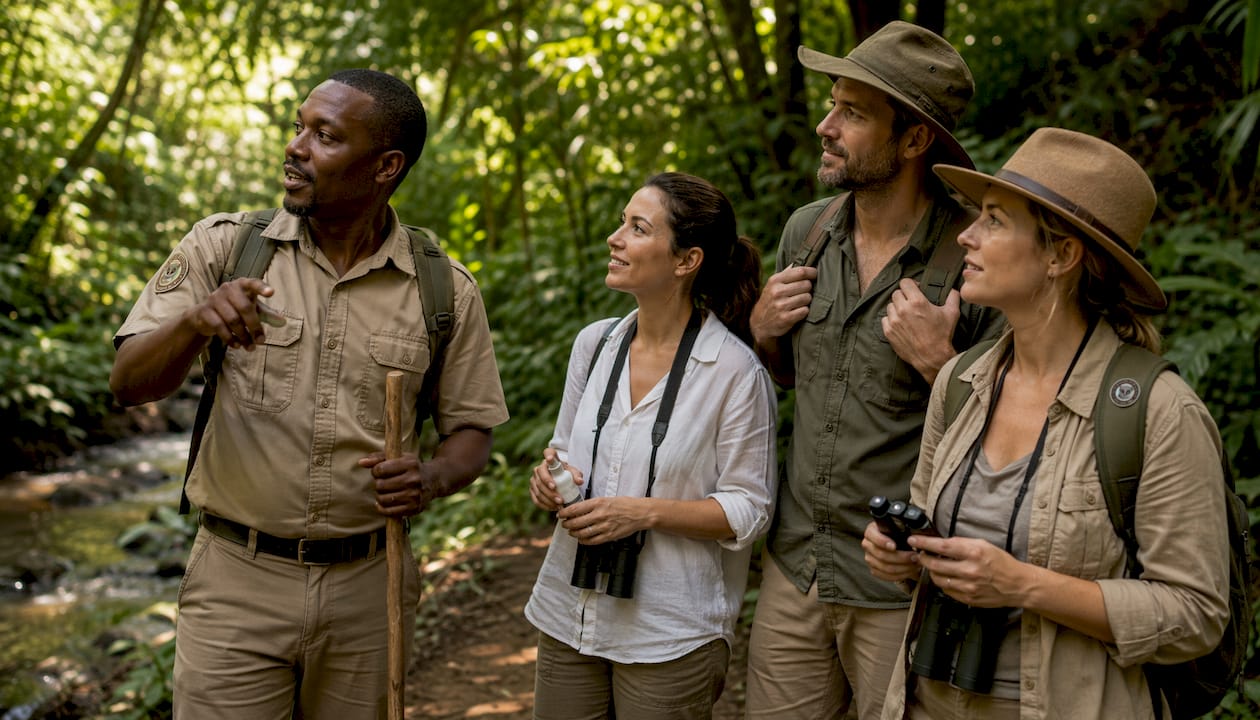
You can minimize negative effects by choosing operators with named, verifiable community partnerships. Spend money locally: buy crafts directly from artisans, eat at community-run food stalls when available, and tip community guides separately from your main operator. Avoid photographing community members without consent, and resist bargaining aggressively on craft prices — the margins are already thin.
Safety and health precautions for cultural safari interactions
Rural community visits in KwaZulu-Natal and Limpopo are generally safe, but a few precautions make the experience smoother. Malaria is present in both regions; consult a travel medicine physician at least four weeks before departure for the appropriate prophylaxis. Carry insect repellent with DEET for dawn and dusk activities.
For shared meals, communicate any food allergies to your operator in advance. Drink only bottled or treated water during rural visits. Wear closed-toe shoes on plant walks and homestead tours — uneven terrain and thorny vegetation are common. Keep your group together and follow your guide's lead at all times; community guides know the land and its boundaries.
Key Takeaways
Integrating cultural heritage into your South Africa safari makes wildlife sightings more meaningful and directly supports the communities that protect the land.
| Point | Details |
|---|---|
| Choose community-led visits | Ask who designed the visit and how revenue returns to the community before booking. |
| Carry South African rand | Many rural artisans and craft cooperatives do not accept cards or digital payments. |
| Book small groups | Groups under 12 allow real conversation; larger groups tend toward performance. |
| Plan health precautions early | Consult a travel medicine physician at least four weeks before departure for malaria prophylaxis. |
| Bushbaby Safaris Zululand | The Safari & Cultural Explorer – Hluhluwe pairs Big 5 game drives with community heritage visits in a single day. |
The detail that changes everything
There's a moment that stays with you long after the dust settles. You're watching a herd of elephants move through a valley in Hluhluwe–iMfolozi, and your community guide quietly explains that the matriarch is following a path her grandmother's grandmother walked — a route the Zulu people also used for centuries to reach water. Suddenly the elephants aren't just wildlife. They're neighbors in a shared landscape with a shared history.
That shift in perspective is what separates a cultural-heritage safari from a standard game drive. It doesn't require a longer trip or a bigger budget. It requires a guide who grew up on the land and an operator willing to build real relationships with the communities that live alongside it. When those two things are in place, every sighting carries more weight.
Ready to book your integrated wildlife and heritage safari?
Bushbaby Safaris Zululand offers some of the most accessible combined wildlife and heritage experiences in KwaZulu-Natal, departing from all accommodations in St Lucia and Hluhluwe. Whether you're a cruise passenger with a single day ashore or a traveler building a multi-day route, there's an option that fits.
The Explorer Safari packages include multi-day routes that combine Hluhluwe–iMfolozi Big 5 drives with iSimangaliso wetland exploration and community heritage visits. For shore excursion guests, the Hluhluwe–iMfolozi Park shore excursions are the fastest way to pair a Big 5 game drive with a cultural visit in a single day. Cultural visits book out fastest in peak season (June–September), so reserve your spot at least a week ahead.
Useful sources and further reading
- Mapungubwe National Park — African Travel Book: Detailed overview of the park's UNESCO cultural landscape, heritage tours, and wildlife activities along the Limpopo floodplain.
- Nature meets heritage: Game reserves with cultural experiences — Getaway: Travel reporting on South African reserves integrating community stories with wildlife viewing; includes authenticity criteria and practitioner perspectives.
- World Heritage Safaris — Southern Cross Experiences: Explains how UNESCO sites are used as the organizing logic for heritage-focused safari routes.
- Zulu Homestead Experience — Babanango Game Reserve: First-hand description of a living Zulu homestead visit in KwaZulu-Natal, covering customs, storytelling, food, and the region's deep human history.
- Bushbaby Safaris Zululand: Operator pages for integrated Big 5 and heritage safaris departing from St Lucia and Hluhluwe.
This article provides general travel information. Consult a travel medicine physician and verify current park entry requirements with the relevant South African national park authority before your trip.