
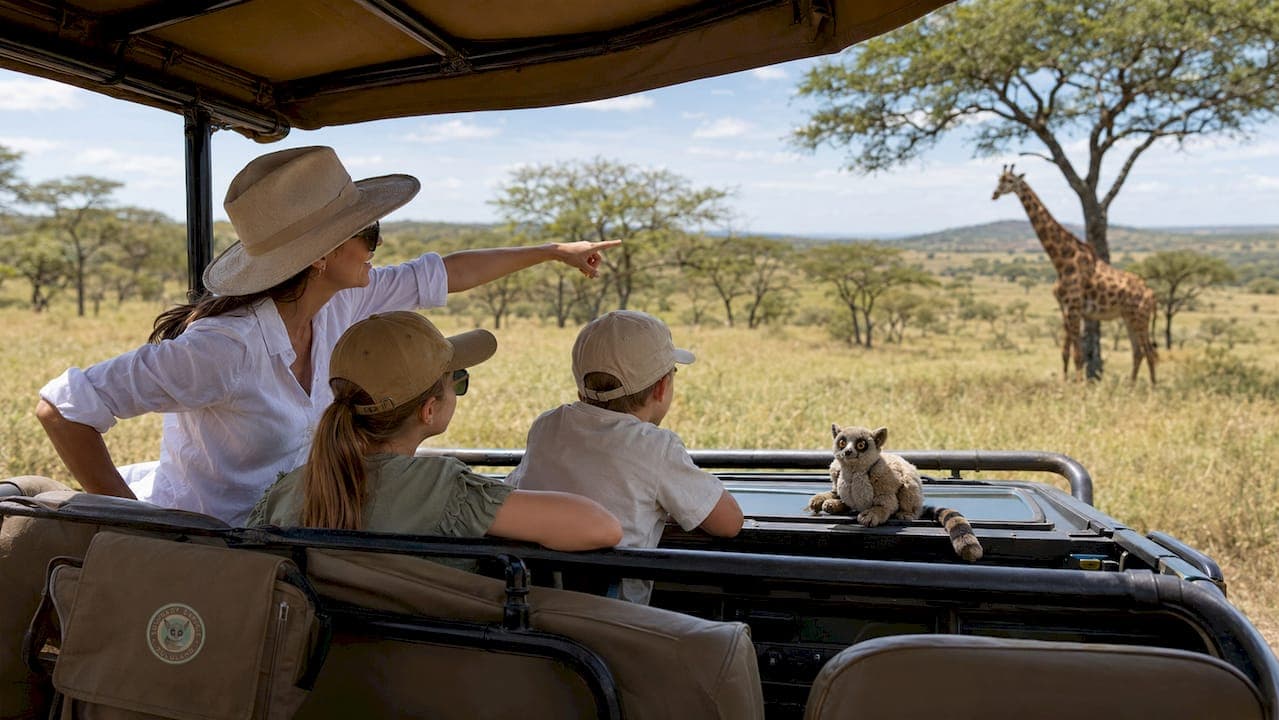
Creating meaningful wildlife encounter memories for children on safari requires intentional planning that prioritizes emotional connection over a checklist of sightings. The best family safari experiences in South Africa combine tailored game drives, immersive storytelling, and slow-paced exploration that lets kids truly absorb what they see. Parks like Hluhluwe-iMfolozi Park and iSimangaliso Wetland Park, South Africa's first UNESCO World Heritage Site, offer malaria-free environments where younger children can safely experience the Big 5 up close. When you plan with your children's curiosity at the center, a safari becomes one of the most formative experiences of their lives.
1. How wildlife encounter memories for children on safari begin with private drives
Private game drives are the single most effective tool for creating personalized children's wildlife experiences. A shared vehicle with strangers locks you into someone else's pace and priorities. Your child wants to stop and watch a dung beetle for five minutes. A private drive lets you do exactly that.
The practical difference is significant. Private drives let your guide adapt the route, speed, and stopping points entirely around your family. If your six-year-old is flagging after 90 minutes, you turn back. If your ten-year-old is riveted by a lion pride, you stay as long as the animals allow.
- No crowding: Your family gets undivided attention from the guide.
- Flexible pacing: Stops happen when your child is curious, not when a schedule demands it.
- Closer observation: Fewer people in the vehicle means quieter, less disruptive approaches to wildlife.
- Age-appropriate commentary: Your guide tailors explanations to your children's ages and questions.
Typical drives run around 3 hours per session. That duration suits most children without pushing them past their stamina. Bushbaby Safaris Zululand operates open vehicle drives from accommodations in St Lucia and Hluhluwe directly into both major parks, giving families immediate, expert-guided access to wildlife from the moment they arrive.
Pro Tip: Book your morning drive as early as possible. Animals are most active at dawn, and the cooler air keeps children alert and engaged far longer than afternoon heat allows.
2. Why slow, curious exploration creates stronger safari memories for kids
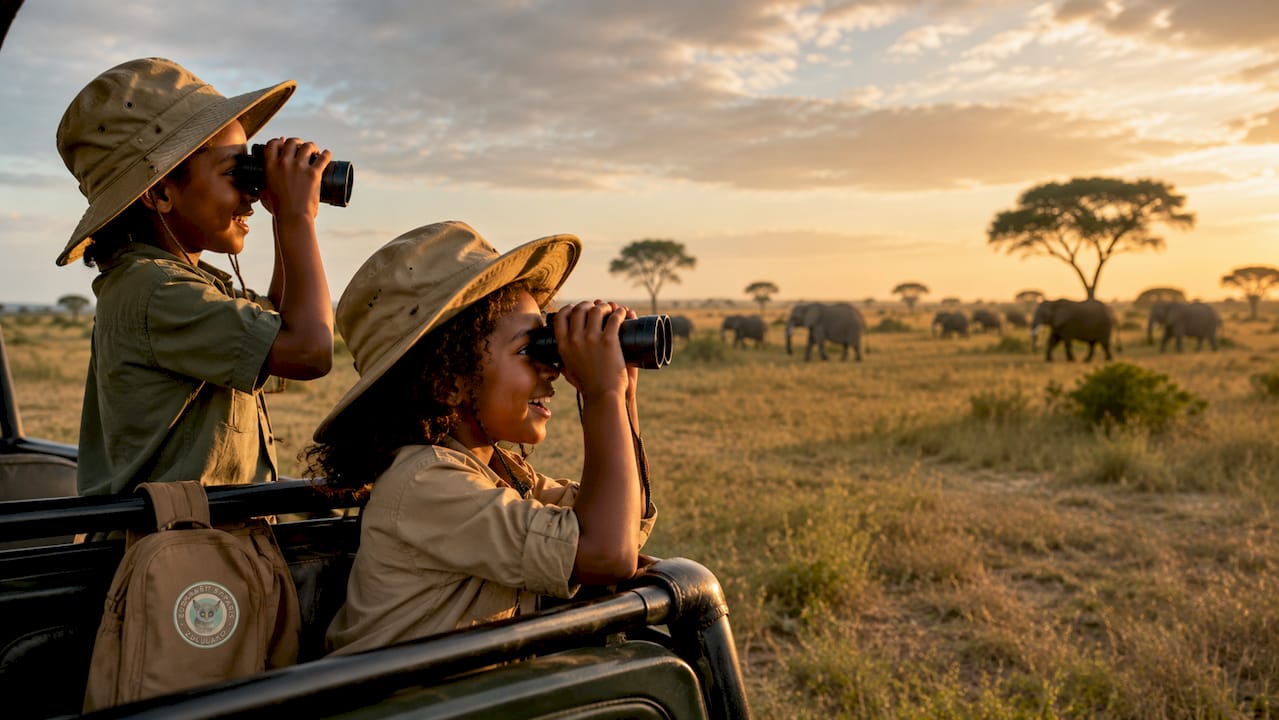
Slow travel approaches like "pole pole" (a Swahili phrase meaning "slowly, slowly") produce deeper emotional connections for children than rushing through a list of species. The goal is not to see everything. The goal is to truly see something.
Children are natural observers when given permission to slow down. A termite mound becomes a city. A set of lion tracks in the mud becomes a detective story. Walking safaris focused on small ecosystem elements like footprints, plants, and insects offer rich, hands-on learning that complements game drives and scales perfectly to a child's sense of wonder.
"Slowing down to observe natural details, rather than rushing, helps children develop genuine appreciation and curiosity during safaris. The bush rewards patience in ways that no highlight reel ever can."
Activities that work especially well for children include:
- Wildlife tracking: Reading animal footprints and identifying species from signs on the ground.
- Birdwatching: Spotting and naming birds builds focus and sharpens observation skills.
- Plant and insect exploration: Examining bark, seeds, and beetles teaches ecosystem relationships.
- Sensory awareness: Listening for alarm calls, smelling the air after rain, and feeling the texture of a fever tree all anchor memories in the body, not just the mind.
The bush operates on its own rhythm, and rigid schedules work against you. Families who stay patient and present are the ones who witness a leopard dragging prey into a tree or a herd of elephants crossing a river. Those are the moments children talk about for decades.
3. Managing safari logistics to keep children energized all day
Good logistics are the invisible backbone of every successful family safari. Without them, even the most spectacular sightings get overshadowed by tired, hungry, or overstimulated children.
Family safaris typically include two 3-hour game drives per day, one in the early morning and one in the late afternoon. That structure works well for children because it mirrors natural animal activity patterns and leaves the hottest midday hours free for rest. Scheduling 5–6 hours of downtime between drives prevents fatigue and keeps moods stable. Use that window for naps, light play, and a proper meal.
A practical daily rhythm for families looks like this:
- 5:30 AM: Wake up and prepare for the morning drive.
- 6:00 AM: Depart for the morning game drive (approximately 3 hours).
- 9:00 AM: Return for breakfast and rest.
- 10:00 AM – 3:00 PM: Downtime, naps, pool time, or lodge activities.
- 3:30 PM: Depart for the afternoon game drive (approximately 3 hours).
- 6:30 PM: Return for dinner and wind-down.
Malaria-free parks are a non-negotiable priority for families with young children. Both Hluhluwe-iMfolozi Park and iSimangaliso Wetland Park fall within KwaZulu-Natal's malaria-free zones, removing one of the biggest health concerns parents face when planning African safaris.
Pro Tip: Pack a small cooler bag with water, fruit, and a savory snack for each drive. Hunger is the fastest route to a meltdown at the exact moment a rhino walks past.
4. How storytelling turns animal sightings into lasting memories
A sighting becomes a memory when it carries a story. Emotional connections deepen when children learn individual animal stories, rescue backgrounds, and social behaviors. Watching an elephant herd is interesting. Knowing that the matriarch survived a drought that killed half her family makes it unforgettable.
Your guide is your greatest asset here. A knowledgeable guide transforms what you see into what you feel. Ask them to share the names of individual animals they recognize, explain herd dynamics, or describe how a particular watering hole has changed over the years. Children absorb these details and carry them home.
Specific storytelling approaches that work well on safari include:
- Individual animal names and histories: Many guides in established parks recognize specific elephants, lions, and leopards by sight.
- Rescue and rehabilitation stories: Learning that an animal was orphaned and hand-raised creates immediate empathy in children.
- Social behavior observation: Watching elephant calves play, or a young male lion test his dominance, teaches children about family structures and relationships.
- "What happens next?" questions: Asking children to predict animal behavior keeps them mentally engaged between sightings.
Children are rarely bored on game drives when wildlife behavior is unpredictable and the guide actively involves them in observation. The key is framing each sighting as a chapter in an ongoing story, not a box to check. That shift in perspective is what separates a good safari from a truly memorable one.
You can find real examples of how Big 5 encounters unfold for families in South Africa through vivid safari encounter stories that show exactly how these moments play out in the field.
5. Preparing children before the safari to maximize engagement
Preparation before you leave home pays dividends in the field. Children who arrive with some background knowledge engage more deeply and ask better questions. A child who already knows what a black rhino looks like will scan the bush with genuine purpose.
Simple pre-trip activities include reading age-appropriate wildlife books, watching nature documentaries about southern African ecosystems, and learning five to ten animal calls by sound. Even a basic understanding of predator and prey relationships gives children a framework for interpreting what they see. That framework turns passive observation into active learning.
Pack a small field journal for each child. Encourage them to sketch animals, record tracks, and write one sentence about their favorite sighting each day. The journal becomes a physical artifact of the trip, something far more personal than a photo album. Many families report that children still reference these journals years later when recalling their best safari moments with children in the family.
6. Choosing the right park for your family's first safari
Not all parks deliver the same experience for families with children. The right choice depends on your children's ages, your group's stamina, and the type of wildlife you most want to see.
Hluhluwe-iMfolozi Park is Africa's oldest proclaimed nature reserve and home to the world's largest white rhino population. It offers dense Big 5 sightings in a compact area, which suits families who want reliable encounters without long drives between animals. The park's varied terrain, from open grassland to dense thornveld, keeps the visual experience interesting throughout the day.
iSimangaliso Wetland Park, whose name translates to "Place of Miracle or Wonder" in Zulu, adds a completely different dimension. Hippos, crocodiles, and an extraordinary diversity of bird species make it ideal for children fascinated by water-based ecosystems. The park's RAMSAR-listed wetlands and UNESCO World Heritage status reflect its global ecological significance. Combining both parks in a single trip gives children a genuinely complete picture of South African wildlife. Bushbaby Safaris Zululand runs open vehicle drives into both parks from St Lucia and Hluhluwe, making a combined itinerary straightforward to arrange. For families planning their first trip, the first-timer's safari guide covers what to expect in practical detail.
7. What to bring on a family game drive
The right gear removes friction and keeps children comfortable enough to stay present. Discomfort is the enemy of wonder.
Every child on a game drive needs:
- Binoculars: Even a basic pair transforms distant animals into close encounters. Children who have their own pair stay engaged far longer.
- Sun protection: Wide-brim hat, SPF 50 sunscreen, and UV-protective clothing for open vehicle drives.
- Layers: Morning drives in KwaZulu-Natal can be surprisingly cool, especially in june and july. A light fleece or windbreaker is worth packing.
- Neutral colors: Khaki, olive, and brown clothing reduces visual disturbance to wildlife. Avoid bright colors and white.
- A small backpack: Giving children their own pack with water, snacks, and their field journal creates a sense of ownership and responsibility.
Camera gear for children deserves a specific mention. A simple point-and-shoot or a basic DSLR on auto mode gives children a creative role on the drive. Photographing animals teaches patience, framing, and observation. It also produces a personal record of the trip that children value deeply.
Key Takeaways
The most memorable family safari experiences come from combining private drives, slow-paced exploration, and storytelling that connects children emotionally to the animals they see.
| Point | Details |
|---|---|
| Private drives are essential | They let guides adapt pace, stops, and commentary entirely around your children's needs. |
| Slow travel builds deeper memories | "Pole pole" approaches and hands-on activities like tracking create stronger recall than rushed sightings. |
| Logistics protect the experience | Two 3-hour drives with 5–6 hours of rest between them keeps children energized and engaged. |
| Storytelling amplifies connection | Individual animal histories and social behavior observations turn sightings into lasting emotional memories. |
| Park choice shapes the experience | Hluhluwe-iMfolozi Park suits Big 5 sightings; iSimangaliso Wetland Park adds water-based wildlife diversity. |
What I've learned watching children experience the bush
I have watched a lot of children step into an open vehicle for the first time. The ones who leave with the deepest memories are almost never the ones who saw the most animals. They are the ones whose guide crouched down to show them a dung beetle rolling its ball, or who sat quietly for twenty minutes watching an elephant family drink at a waterhole.
Parents often arrive with a mental checklist. Lion. Elephant. Rhino. Leopard. Buffalo. I understand the impulse. But the checklist mindset works against children, because it teaches them to move on the moment a box is ticked. The bush does not work that way, and neither does a child's imagination.
What I have seen transform a good trip into a life-changing one is a guide who treats children as genuine participants, not passengers. When a guide asks a nine-year-old to identify a track in the mud before revealing the answer, that child is no longer watching a nature documentary. They are inside it. That shift is everything.
My practical advice: tell your guide before you depart that your children's engagement matters more than the number of species you see. A great guide will recalibrate immediately. The family safari experience you get when you communicate that priority is categorically different from a standard drive.
— Larni
Family safaris with Bushbaby Safaris Zululand
Bushbaby Safaris Zululand runs open vehicle safaris from all accommodations in St Lucia and Hluhluwe directly into Hluhluwe-iMfolozi Park and iSimangaliso Wetland Park. Both parks are malaria-free, making them ideal for families with young children. Every drive is expertly guided, with undivided attention for your family and full flexibility to pace the experience around your children.

The Explorer Safari Packages are designed specifically for families who want a personalized, immersive wildlife experience rather than a standard group tour. Morning drives include optional breakfast packs to keep children fueled through the drive. Whether your family is visiting for a weekend or building a full KwaZulu-Natal itinerary, Bushbaby Safaris Zululand has a package that fits.
FAQ
What age is suitable for a children's safari in South Africa?
Most malaria-free parks in South Africa, including Hluhluwe-iMfolozi Park and iSimangaliso Wetland Park, welcome children of all ages. Private drives are recommended for families with children under eight, as they allow full flexibility around attention spans and comfort.
How long are game drives for families with young children?
Standard family game drives run approximately 3 hours per session. Two drives per day, one in the morning and one in the late afternoon, suit most children without causing fatigue.
How do I keep my children engaged on a long game drive?
Give each child binoculars, a field journal, and a simple camera. Ask your guide to involve children directly in tracking and identification. Children rarely lose interest when wildlife behavior is unpredictable and the guide actively engages them in observation.
Are South African safari parks safe for children?
Malaria-free parks like Hluhluwe-iMfolozi Park and iSimangaliso Wetland Park remove the primary health concern for families. Open vehicle safaris with experienced guides follow strict safety protocols that keep children secure throughout every drive.
What is the best time of year for a family safari in South Africa?
The dry season, from may through september, offers the best wildlife visibility because vegetation thins and animals concentrate around water sources. Morning temperatures can be cool, so pack layers for children on early drives.