
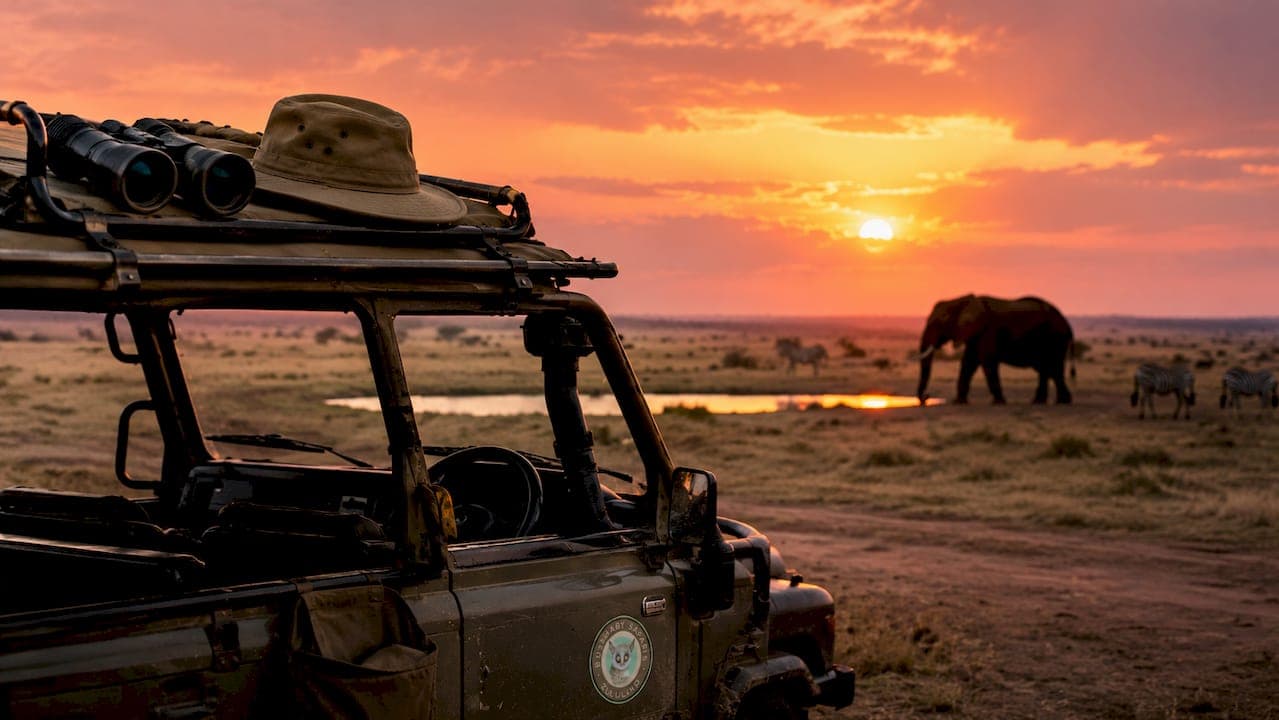
Unforgettable safari moments are defined by rare wildlife sightings, immersive sensory experiences, and profound connections to the African wilderness that stay with you long after you return home. The best moments in safari go far beyond spotting animals from a vehicle. They include the stillness after a predator passes, the golden light of a sundowner over the savanna, and the sound of lions calling from across the darkness. Whether you are tracking the Big 5 through Hluhluwe-iMfolozi Park or watching hippos surface in iSimangaliso Wetland Park, the examples of unforgettable safari moments below will inspire your next adventure in Southern Africa.
1. Witnessing the rare "Magnificent 7" in a single day
The Big 5 (lion, leopard, elephant, rhino, and buffalo) is the benchmark most travelers know. The Magnificent 7 expands that list to include cheetah and wild dog, two of Africa's most elusive predators. Veteran guides report seeing all seven in a single day only two or three times across many years of guiding. That rarity is exactly what makes it one of the most celebrated safari adventure highlights in Southern Africa.
Wild dogs are particularly special. They hunt in coordinated packs at dawn, covering vast distances at speed. Spotting a pack mid-hunt, with the dust rising and the whole drama unfolding in front of your open vehicle, is the kind of moment that stops conversation entirely. Cheetahs add a different energy: solitary, precise, and often spotted resting on termite mounds as the morning light catches their spotted coats.
- Lion: most reliably spotted in open grassland during morning drives
- Leopard: often found resting in trees or crossing roads at dusk
- Elephant: frequently seen at waterholes and riverbanks
- Rhino: both black and white rhino present in Hluhluwe-iMfolozi Park
- Buffalo: large herds common in mixed bushveld
- Cheetah: active at dawn and dusk, often in open terrain
- Wild dog: highly mobile, best found with a knowledgeable guide
Pro Tip: Ask your guide specifically about wild dog den sites or recent sightings before the drive. Guides who know the park well track pack movements daily and can position you for the best chance of a sighting.
2. Predator encounters that stop your breath
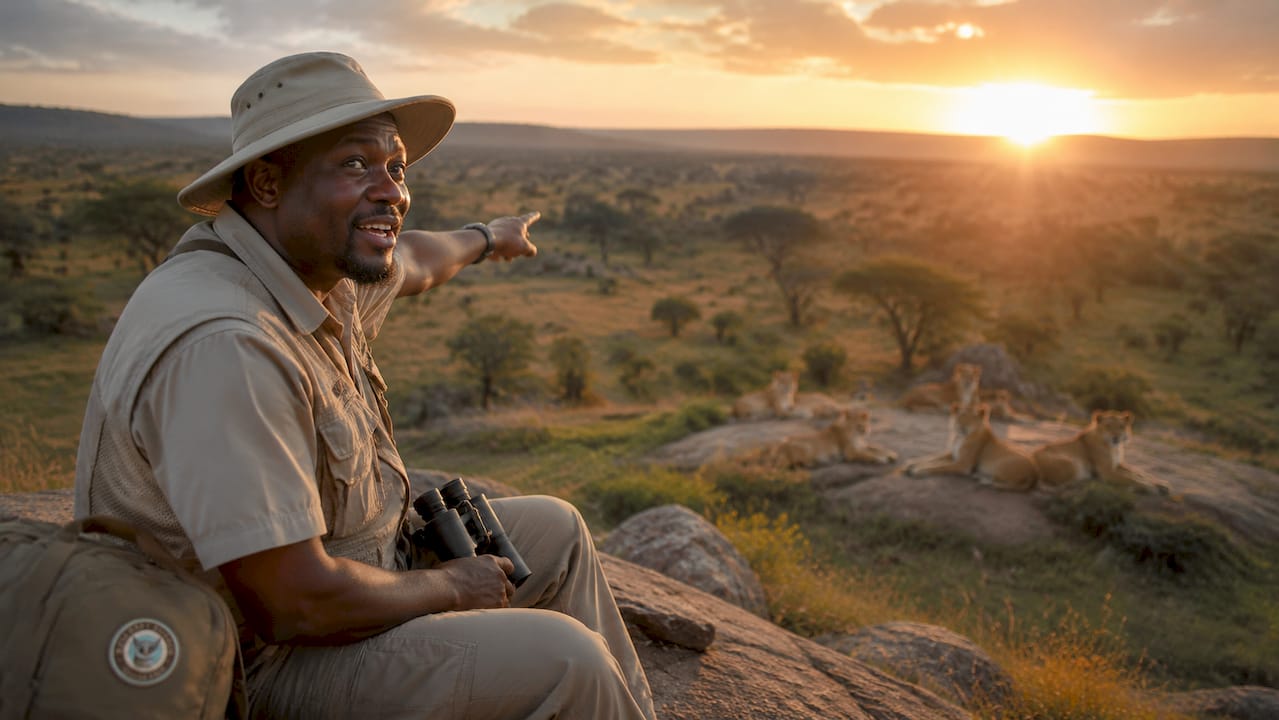
Close predator sightings rank among the most vivid safari trip stories travelers share. A leopard resting in a tree directly above your vehicle, a lion pride crossing the road at walking pace, or a cheetah making eye contact at sunset are moments that no photograph fully captures. Staying quietly after other vehicles leave often rewards the most authentic and intimate encounters, as animals relax and reveal natural behavior.
The key is patience. Many travelers rush from sighting to sighting, ticking off species. The guests who linger, who sit in silence as a leopard descends from a tree and disappears into the thicket, are the ones with the stories worth telling. Expert guides read body language and know when an animal is about to move, feed, or interact. Trusting that knowledge and staying put is what separates a good sighting from an unforgettable one.
"The leopard dropped from the branch, paused two meters from the vehicle, and looked directly at us. Nobody breathed. Then it walked into the bush as if we were not there."
3. The magic of early morning drives
Morning game drives begin before dawn, typically between 5:30 AM and 6:00 AM, and last 2–4 hours. That timing is deliberate. Predators are most active during the cooler temperatures of early morning, and the light at sunrise is extraordinary for both wildlife viewing and photography. The bush sounds different at that hour too: birdsong, distant hyena calls, and the crunch of gravel under the vehicle are all amplified in the quiet.
Here is what makes the early morning drive so consistently rewarding:
- Predator activity peaks before the heat sets in, making lion and leopard sightings far more likely
- Golden hour light creates dramatic contrast across the landscape, turning every sighting into a visual memory
- Animal behavior is natural because the heat has not yet pushed wildlife into shade and stillness
- The bush is uncrowded in the first hour, giving your vehicle space and quiet that midday drives rarely offer
- Birdsong is at its richest, with hundreds of species calling simultaneously at first light
Pro Tip: Dress in warm layers for the early drive, even in summer. Open vehicles move fast and the pre-dawn air is cold. A fleece and a scarf make the difference between shivering through the best hour of the day and fully enjoying it.
4. Sundowners and the golden hour experience
The sundowner tradition is one of the most atmospheric highlights of any safari. As the afternoon drive winds down, your guide finds a scenic spot, the vehicle stops, and drinks are served as the sun drops toward the horizon. The light turns the savanna amber and deep orange. Elephants move in silhouette across the skyline. The atmosphere is unlike anything you can manufacture elsewhere.
The magic of atmospheric stillness during twilight leaves impressions that outlast even the most dramatic wildlife sightings. The transition from day to night in the African bush is a sensory event. The temperature drops, the sounds shift, and the sky fills with color before fading to stars. Guests who experience this for the first time often describe it as the moment the safari became real to them.
5. Night drives and the thrill of the dark
Night drives heighten every sense in a way that daylight drives simply cannot. A spotlight sweeps the bush and suddenly reflects two eyes, then four, then a whole pride of lions resting twenty meters away. The darkness removes visual context and makes every sound and movement feel immediate. Guests consistently describe night drives as both thrilling and, at moments, genuinely terrifying in the best possible way.
Nocturnal species that are invisible during the day become the stars of the show. Genets, civets, porcupines, and bush babies move freely after dark. Owls hunt from low branches. Hippos graze on land, far from the water where you expect them. The expert guide's role is critical at night: reading sounds, interpreting eye shine, and keeping the experience safe while maximizing what you see.
Private or semi-private concessions allow off-road driving and dedicated night drives, which significantly increases the chance of rare sightings like pangolins and leopards on the move. Public park roads restrict night access, making concession-based safaris the better choice for travelers who want the full nocturnal experience.
6. Sensory and emotional moments beyond the animals
The most lasting safari memories are not always the dramatic ones. Lying in your tent at night listening to hyenas whooping in the distance, or sitting in silence as a thunderstorm builds over the plains, creates a connection to the landscape that no wildlife sighting can fully replicate. The African bush communicates through sound, smell, and atmosphere as much as through visible animals.
Guided tracking and ecology sessions turn passive viewing into active learning. Reading animal tracks, understanding predator-prey relationships, and learning why a particular tree matters to a particular species deepens every subsequent sighting. Families find that these sessions create shared reference points that children carry for years. The safari becomes a classroom without walls, and the lessons stick precisely because they are experienced, not read.
The smell of rain on dry earth, called petrichor, is one of the most evocative sensory triggers in the bush. Guests who experience an afternoon storm on safari describe the smell as permanently linked to the memory of Africa. These atmospheric details are what transform a good trip into a story you tell for the rest of your life.
7. Practical tips for maximizing your safari moments
The difference between a good safari and a truly memorable one often comes down to preparation and mindset. These tips apply whether you are on your first game drive or your tenth.
- Book explorer safari packages that include night drives and bushwalks for the widest range of experiences
- Carry personal binoculars. Individual lightweight binoculars let you react instantly to sightings without waiting to share a single pair
- Pack bath wipes for remote drives where facilities are limited; comfort directly affects your ability to stay present and patient
- Stay beyond the standard schedule when a sighting is developing. The guests who linger are the ones who see the leopard descend from the tree
- Engage your guide actively. Ask about tracks, behavior, and ecology. Guides who know Hluhluwe-iMfolozi Park and iSimangaliso Wetland Park like the back of their hands can turn a quiet drive into a masterclass
- Plan for multiple ecosystems. Combining a Big 5 park with a wetland reserve like iSimangaliso gives you a far broader range of species and habitats in a single trip
Pro Tip: Tell your guide your priorities before the drive. If you want leopard, say so. If your children are most excited about elephants, mention it. Guides tailor the route and pacing to what matters most to you.
Key takeaways
The most unforgettable safari moments combine rare wildlife sightings, expert guidance, and sensory immersion in wild landscapes that no other travel experience can replicate.
| Point | Details |
|---|---|
| Timing drives results | Early morning drives (5:30–6:00 AM) deliver the highest predator activity and best light. |
| Patience creates magic | Staying quietly after crowds leave reveals authentic animal behavior missed by others. |
| Night drives expand the experience | Nocturnal safaris on private concessions unlock rare species and heightened sensory moments. |
| Sensory immersion matters | Sounds, smells, and stillness create lasting memories as powerful as any wildlife sighting. |
| Preparation pays off | Personal binoculars, layered clothing, and clear communication with your guide maximize every drive. |
What I have learned about truly unforgettable safari moments
People ask me what separates a good safari from one you never stop talking about. My honest answer is always the same: it is the moments you did not plan for.
The most vivid memory I carry is not a Big 5 sighting. It is sitting in a stationary vehicle as the last other truck drove away, watching a leopard emerge from a thicket and walk directly toward us. The guide said nothing. We said nothing. The leopard paused, looked at us with complete indifference, and disappeared. That silence, that stillness, that feeling of being genuinely in the wild rather than watching it through glass, is what I try to help every guest find.
Photographs help you remember. But the real experience lives in your body. The cold air at 5:30 AM, the smell of the bush after rain, the sound of a lion breathing close in the dark. Those are the things that stay. My advice to anyone planning a safari is to put the camera down at least once per drive and just be present. The bush rewards stillness in ways that no itinerary can guarantee but every great guide knows how to create.
— Larni
Bushbaby Safaris: where unforgettable moments happen
Bushbaby Safaris runs open vehicle safaris from accommodations in St Lucia and Hluhluwe directly into Hluhluwe-iMfolozi Park and iSimangaliso Wetland Park, South Africa's first UNESCO World Heritage Site. Every drive is guided by experts who know these parks with the kind of depth that turns a good sighting into a story you carry for life.

From morning Big 5 drives to full-day wetland explorations, Bushbaby Safaris offers a range of experiences designed to put you in the right place at the right time. The explorer safari packages include night drives, bushwalks, and conservation experiences that go well beyond standard game viewing. If you are ready to collect your own safari trip stories, book your safari today and let the bush do the rest.
FAQ
What are the best examples of unforgettable safari moments?
The most memorable safari experiences include close predator sightings, witnessing the Magnificent 7 in a single day, night drives with nocturnal species, and atmospheric sundowners in the golden hour. Sensory moments like hearing lions call from camp or smelling rain on dry earth are equally powerful.
When is the best time of day for wildlife sightings on safari?
Morning drives starting between 5:30 AM and 6:00 AM deliver the highest predator activity, as animals are most active during cooler temperatures. Dusk drives and night safaris offer a completely different set of species and experiences.
How do I increase my chances of rare wildlife encounters?
Private or semi-private concessions allow off-road driving and night drives, which significantly increases sightings of rare animals like pangolins and leopards. Staying patient and quiet after other vehicles leave also reveals encounters that most travelers miss.
What should I pack for an open vehicle safari?
Carry personal lightweight binoculars, warm layers for early morning drives, and bath wipes for comfort on longer drives. These basics keep you comfortable and ready to react the moment a sighting appears.
Are night drives safe on safari?
Night drives are safe when led by qualified, experienced guides who know the park and follow established safety protocols. Bushbaby Safaris guides are trained specifically for the conditions in Hluhluwe-iMfolozi Park and iSimangaliso Wetland Park, keeping guests secure while maximizing what they see.