
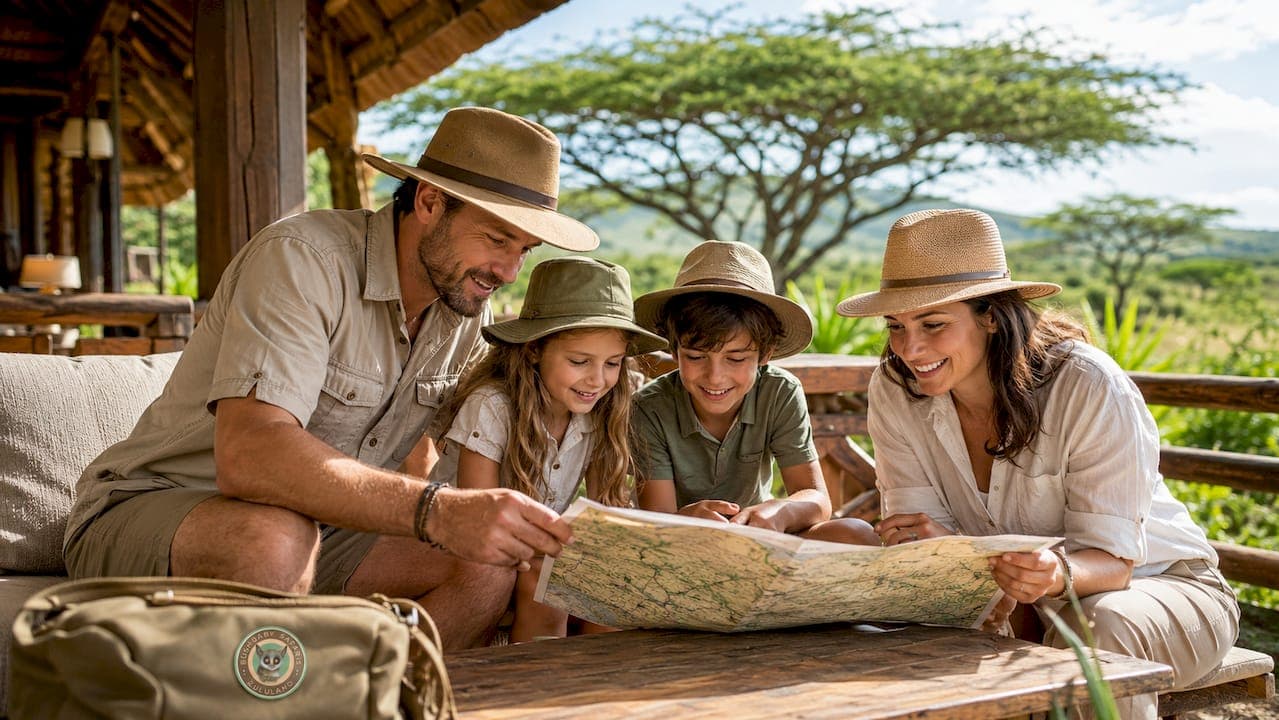
A memorable family safari is defined by one thing: experiences that engage every member of the family, from toddlers to grandparents, at every stage of the trip. The best family safari experiences go far beyond spotting the Big 5. They combine wildlife encounters with interactive learning, cultural connection, and thoughtful planning that keeps children genuinely excited. The ways to make safari memorable for your family come down to choosing the right activities, the right accommodations, and the right pace. Bushbaby Safaris Zululand operates open vehicle safaris into Hluhluwe-iMfolozi Park and iSimangaliso Wetland Park, two of South Africa's most extraordinary wild spaces, and both are built for families who want more than a passive game drive.
What activities make safari fun and educational for kids?
The single most effective way to keep children engaged on safari is to make them active participants, not just passengers. Junior ranger programs do exactly that. Kids learn to track animals, identify spoor, and understand basic conservation principles. That hands-on involvement turns a game drive into a mission, and children who feel like they have a role stay focused far longer than those who are simply watching.
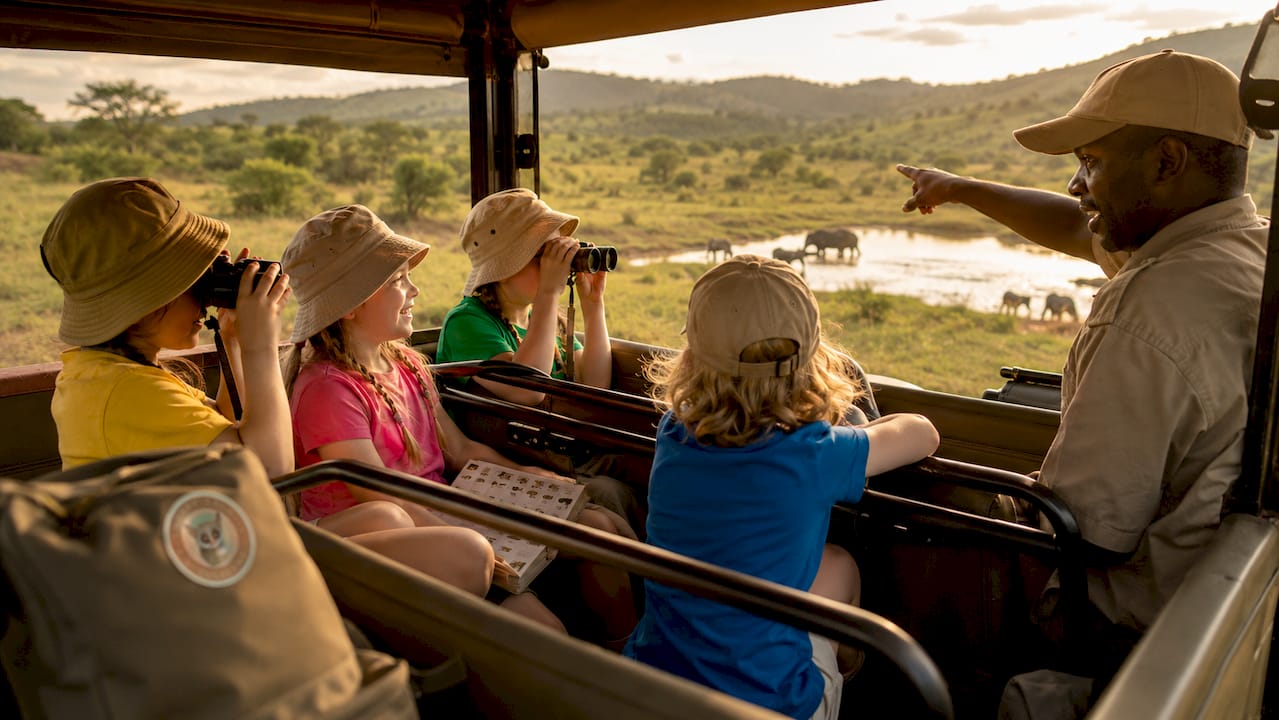
Nature journaling and scavenger hunts add another layer of engagement. Give each child a small notebook and challenge them to sketch every bird or mammal they spot. A scavenger hunt list, things like finding a termite mound, spotting a raptor, or identifying a dung beetle, turns the bush into a living puzzle. These activities work across age groups and cost nothing to prepare in advance.
Quality binoculars transform a game drive from passive to active for kids. When a child can zoom in on a lilac-breasted roller perched on a dead tree, the experience becomes personal. Pair binoculars with a field guide to southern African mammals or birds, and children will spend the entire drive cross-referencing what they see.
- Junior ranger programs: Track animals, learn bushcraft, and participate in conservation monitoring
- Nature journaling: Sketch wildlife, record bird calls, and document plant life
- Scavenger hunts: Create age-appropriate lists of things to find or photograph
- Binoculars and field guides: Give kids the tools to spot and identify wildlife independently
- Cultural village visits: Cultural activities like village visits build empathy and broaden children's understanding of local communities
- Alternative safari types: Hot air ballooning, canoeing, and horseback riding (age-appropriate) add variety and excitement
Pro Tip: Pack a small wildlife checklist printed before you leave home. Children who tick off sightings feel a real sense of achievement, and it gives them a tangible memory to take home.
How to choose family-friendly safari accommodations and transport
Accommodation is the backbone of any family safari. The right lodge keeps children happy between drives and gives parents space to breathe. Family-friendly lodges typically offer swimming pools, playrooms, kids' clubs, and babysitting services. These facilities matter because no child can sustain full attention for an entire day in the bush, and no parent should have to choose between their own rest and their child's entertainment.
Private game vehicles are the single biggest upgrade a family can make to their safari transport. Booking a private vehicle means you set the pace. You stop when a child needs a snack, you linger at a lion sighting as long as you want, and you head back early if a toddler hits a wall. Shared vehicles run on fixed schedules that rarely align with a child's energy levels.
For families with very young children, the location of the reserve matters as much as the animals inside it. Malaria-free reserves in South Africa include Madikwe, Pilanesberg, Addo Elephant, and Shamwari. Choosing a malaria-free destination removes the need for antimalarial medication in young children, which simplifies the trip considerably.
| Family priority | What to look for | Why it matters |
|---|---|---|
| Young children (under 5) | Malaria-free reserve, private vehicle | Avoids medication and allows flexible pacing |
| School-age kids (6–12) | Junior ranger program, field guides | Keeps them actively engaged and learning |
| Teenagers | Adventure activities, cultural visits | Adds variety beyond standard game drives |
| Multi-generational groups | Spacious family suites, babysitting | Gives adults downtime while kids are supervised |
Bushbaby Safaris Zululand runs open vehicle safaris into Hluhluwe-iMfolozi Park, a Big 5 reserve, and iSimangaliso Wetland Park, South Africa's first UNESCO World Heritage Site. Both parks offer wildlife diversity that genuinely holds children's attention, from white rhino to hippos, crocodiles, and hundreds of bird species.
How to plan your safari itinerary for children of all ages
Itinerary planning is where most family safaris succeed or fail. The biggest mistake is overscheduling. Children need rhythm, not a packed agenda.
- Start with shorter drives. Shorter, flexible game drives designed around children's energy levels make the whole experience more enjoyable. A 3-hour morning drive often delivers more excitement than a 6-hour marathon that ends with a cranky child.
- Mix safari days with non-safari days. Spacing game drives and mixing in other activities prevents fatigue and keeps enthusiasm high. A day at the beach, a boat cruise, or a cultural visit resets everyone's energy.
- Time drives around peak wildlife activity. Early morning and late afternoon are when animals are most active. These windows also align well with children's energy peaks before the midday heat sets in.
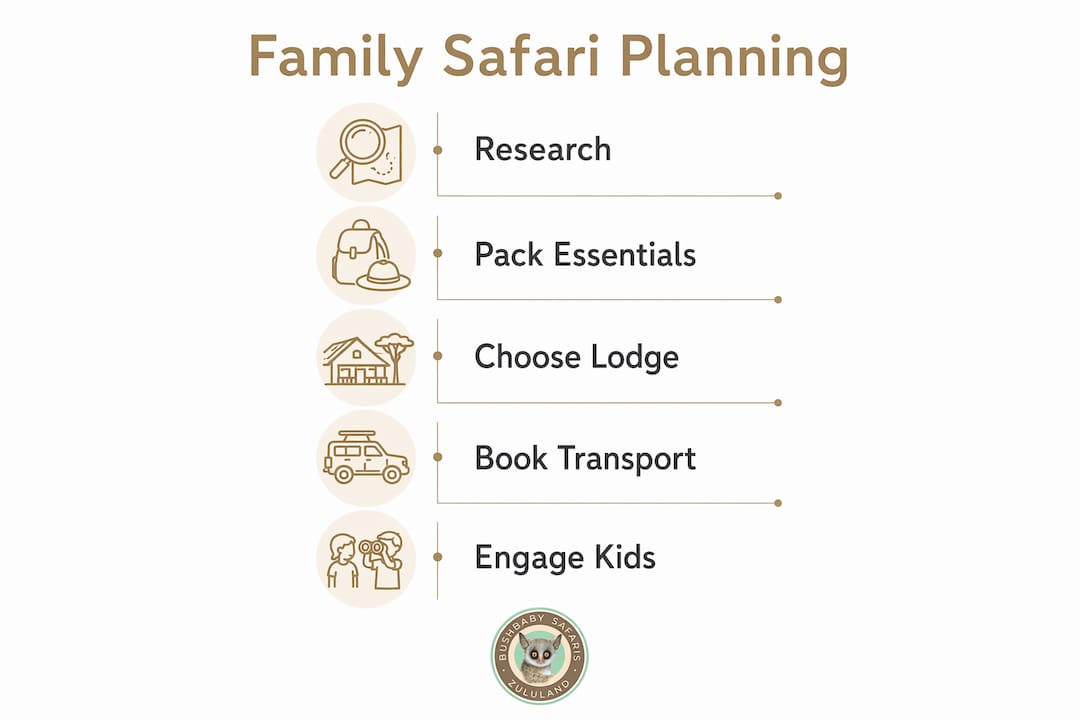
- Pack the right essentials. Sunscreen, insect repellent, hats, layered clothing, healthy snacks, and a refillable water bottle are non-negotiable. A small bag of quiet entertainment, think coloring books or card games, handles the slow stretches.
- Prepare kids before you go. Show children photos and videos of the animals they might see. Read a picture book about African wildlife together. Children who arrive with context and excitement are far more engaged from day one.
Pro Tip: Download offline wildlife identification apps before you leave home. Cell coverage in many reserves is limited, and an offline field guide keeps the learning going even without a signal.
You can also check out this kids' safari guide for more ideas on building wildlife encounter memories that last.
What common challenges do families face on safari?
Every family safari comes with friction points. Knowing them in advance means you can plan around them rather than react to them.
- Short attention spans: Young children lose focus quickly. Rotate activities every 30–45 minutes and keep snacks accessible. A child who is hungry or bored will not enjoy a lion sighting.
- Weather and terrain: African weather changes fast. Pack rain ponchos and an extra layer even on warm days. Open vehicles offer no shelter, so preparation is the only protection.
- Wildlife safety: Children must stay seated and quiet during game drives. Brief them clearly before the first drive. Rangers at reputable operations like Bushbaby Safaris Zululand enforce safety protocols without making the experience feel restrictive.
- Toddler engagement: Toddlers respond to movement, color, and sound. Elephants, zebras, and birds hold their attention far better than distant predators. Plan drives that pass through areas with high visible wildlife density.
- Screen time balance: Phones and tablets are a temptation on long drives. Set a family rule before the trip: cameras are allowed, but passive screen time is not. Children who are looking for animals cannot scroll at the same time.
"Success on a family safari isn't about checking off the Big Five. It's about sharing moments, like watching giraffes move through golden light or listening to a fish eagle call across the water. Those are the memories that stay with children for life."
Managing expectations and accepting the natural pace of the bush leads to a far more enjoyable experience for every member of the family. Nature does what nature does, and the families who embrace that come home with the best stories.
Key takeaways
A memorable family safari combines active engagement, smart accommodation choices, and flexible pacing to create experiences that children carry with them long after the trip ends.
| Point | Details |
|---|---|
| Engage kids actively | Junior ranger programs and scavenger hunts keep children focused and excited throughout the trip. |
| Choose the right transport | Private game vehicles give families the flexibility to stop, rest, and linger without a fixed schedule. |
| Pick a safe destination | Malaria-free reserves remove the need for antimalarial medication in young children. |
| Plan a flexible itinerary | Short morning drives and non-safari days prevent fatigue and maintain enthusiasm across the trip. |
| Manage expectations | Memorable moments come from shared experiences in nature, not from ticking off a checklist. |
What I've learned about family safaris after years in the bush
Family safaris surprise me every time. Not because of the animals, but because of the children.
I have watched a six-year-old sit completely still for twenty minutes while a herd of elephants crossed the road three meters from the vehicle. I have seen teenagers who arrived glued to their phones put them away entirely by day two. Children respond to the bush in ways that no screen can replicate. The key is giving them the right entry point.
What I have found is that parents who try to control every moment of the safari often miss the best ones. The families who slow down, let the guide do the guiding, and allow the children to ask questions without rushing to the next sighting, those are the families who leave with something real. A child who asks "why does the rhino have two horns?" and gets a genuine answer from a knowledgeable guide has just had a better education than any classroom could offer.
My honest advice: lower your own expectations and raise your children's curiosity. Pack the binoculars. Let them keep the field guide. And when the vehicle stops at a termite mound and the guide explains how the whole ecosystem depends on that one structure, watch your child's face. That is the moment you came for.
The unforgettable safari moments are rarely the ones you planned. They are the ones that sneak up on you when you are paying attention.
— Larni
Family safari packages with Bushbaby Safaris Zululand
Bushbaby Safaris Zululand offers open vehicle safaris into Hluhluwe-iMfolozi Park and iSimangaliso Wetland Park, both of which are outstanding destinations for families. The Big 5 park and the UNESCO World Heritage Site between them offer wildlife diversity that genuinely holds children's attention at every age.
Whether you are planning a half-day introduction for young children or a full-day adventure for older kids and teenagers, there is a package that fits your family's pace. Browse the family safari packages to find the right option, or check out the explorer safari options for families ready to go deeper into the bush. Contact Bushbaby Safaris Zululand directly to discuss your family's ages, interests, and schedule, and the team will help you build a day that works for everyone.
FAQ
What age is appropriate for a first family safari?
Children of any age can join a safari, though private vehicles are recommended for families with toddlers. Malaria-free reserves in South Africa are the safest choice for children under five.
How do you keep kids engaged during long game drives?
Binoculars and field guides dramatically increase engagement by turning passive watching into active spotting. Scavenger hunt lists and nature journals also give children a personal mission during the drive.
Are family safaris safe for children?
Safari operations with qualified rangers and open vehicles follow strict safety protocols. Children are briefed before each drive, and reputable operators like Bushbaby Safaris Zululand prioritize guest safety throughout every outing.
What should families pack for a safari with kids?
Pack sunscreen, insect repellent, hats, layered clothing, healthy snacks, and a refillable water bottle. A small field guide and a pair of binoculars for each child are the most valuable additions to any family safari kit.
How do junior ranger programs work on safari?
Junior ranger programs teach children to track animals, identify spoor, and participate in conservation monitoring. They run between game drives and keep children motivated and connected to the wildlife around them.