
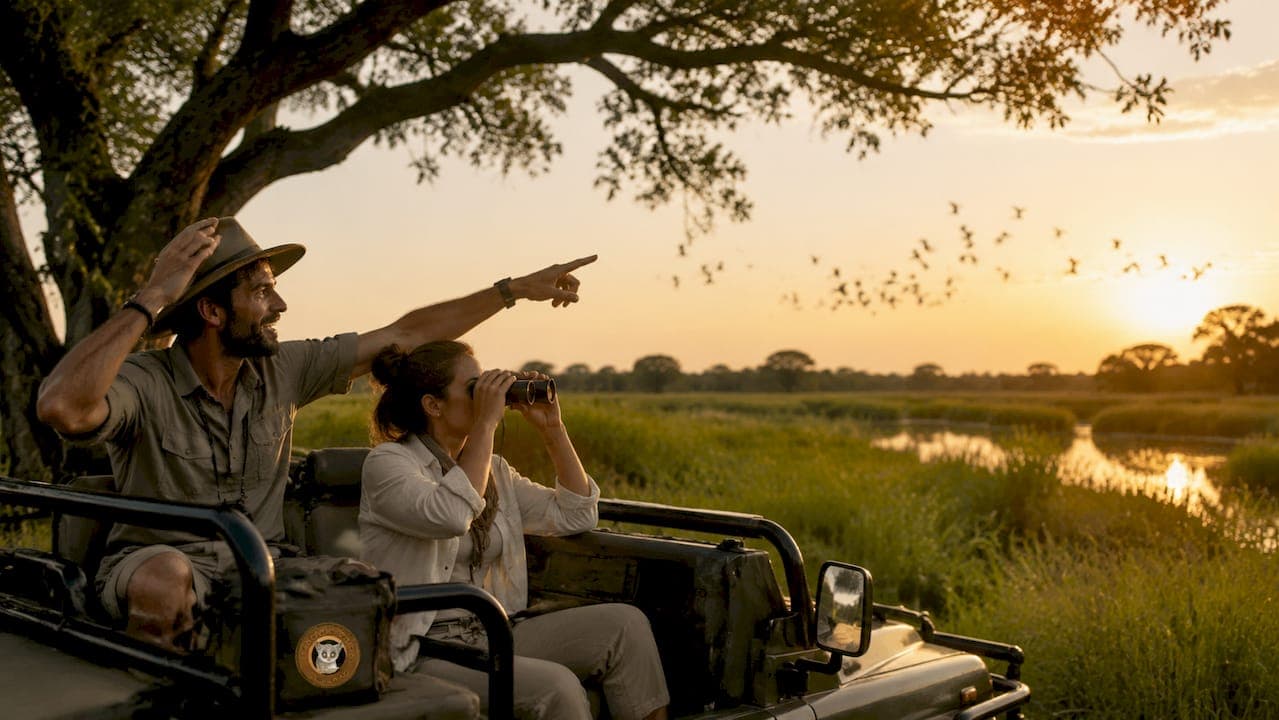
Safari guide couples are defined as professional partnerships where each partner holds distinct but complementary duties that together elevate every aspect of the safari experience, from wildlife interpretation to lodge management. The role of safari guide couples goes far beyond sitting in the front seat of an open vehicle. One partner reads animal tracks at dawn while the other ensures your room is ready and your dietary needs are met before you return. At Bushbaby Safaris Zululand, this kind of dedicated teamwork shapes every drive through Hluhluwe-iMfolozi Park and iSimangaliso Wetland Park, South Africa's first UNESCO World Heritage Site.
What is the role of safari guide couples on a game drive?
The field guide is the main host of every safari drive. Guide skills include wildlife knowledge, communication, safety management, driving, and route planning. The guide interprets animal behavior, delivers the storytelling that turns a sighting into a memory, and keeps every guest safe at all times.
The tracker is the guide's closest partner on the vehicle. A dedicated tracker specializes in reading spoor, following signs, and spotting animals before they become visible to guests. That early detection is what separates a good sighting from a great one.
In professional lodge settings, the guide and tracker form the core of what the industry calls a guiding couple. Their combined responsibilities typically include:
- Field guide: wildlife interpretation, guest safety, driving, route planning, and storytelling
- Tracker: reading spoor and terrain, spotting animals in low light, and providing situational awareness during off-road tracking
- Lodge partner: administration, reservations, guest communication, and front-of-house operations
Key qualifications for the field guide include FGASA Trails Guide certification, a valid professional driving permit (PrDP), rifle-handling competency, and First Aid certification. These are not optional extras. They are the baseline standards that protect you and every other guest on the vehicle.
Pro Tip: When booking a safari, ask whether the lodge employs permanent guide and tracker pairs rather than rotating staff. Permanent pairings consistently deliver higher guiding standards.
Why does guide and tracker teamwork matter for your experience?
Permanent guide-tracker pairings develop a proprietary shorthand and a shared anticipation of wildlife movements and guest needs. That shorthand is built over months and years of working the same terrain together. It means fewer missed sightings and faster, quieter decisions in the field.
Emotional intelligence is equally critical. The best guides use emotional intelligence to balance guest interests, read group moods, and avoid exhaustion or sensitive topics. A guide who senses that one guest is nervous around elephants and quietly adjusts the vehicle's position is doing something no app or guidebook can replicate.
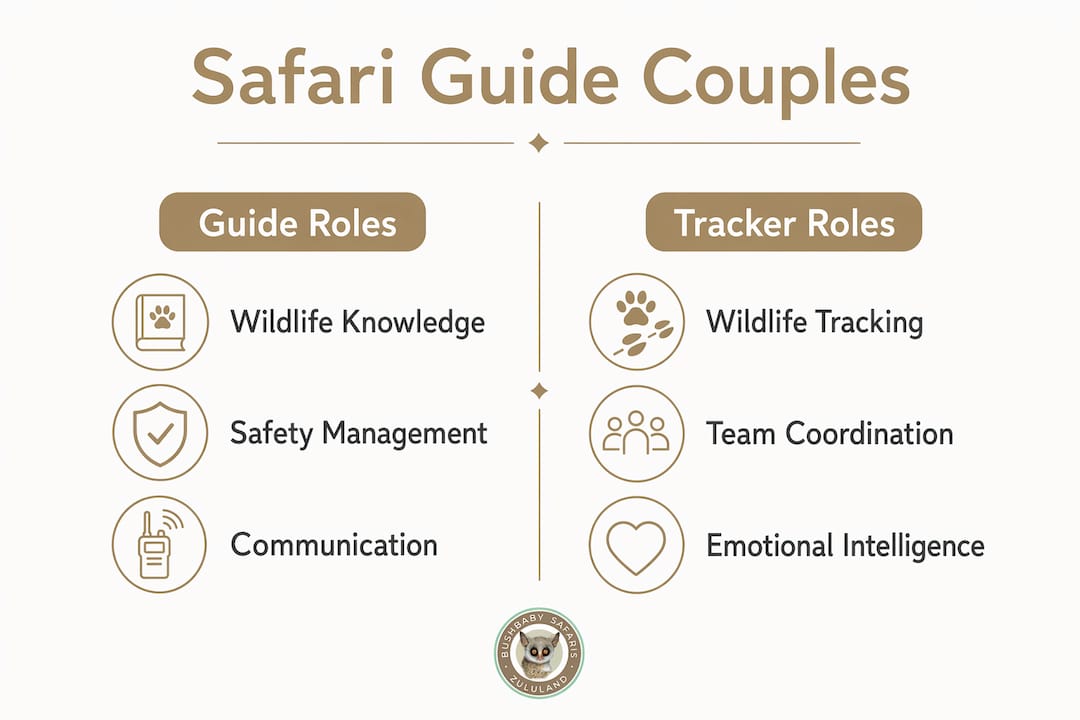
The tracker's role extends beyond finding animals. Trackers provide critical safety support by spotting terrain hazards, which frees the guide to focus entirely on storytelling and guest interaction. That division of attention is what makes the open vehicle feel safe even in dense bush.
Here is what seamless teamwork between a guiding pair looks like in practice:
- The tracker signals a lion's position with a hand gesture before the guide stops the vehicle, giving guests a quiet, undisturbed approach
- The guide reads the group's energy after two hours in the field and calls a coffee stop at a scenic viewpoint, resetting everyone's focus
- The tracker monitors a leopard's movement through thick vegetation while the guide explains the animal's hunting behavior to guests
- Both partners communicate in a low voice or through agreed signals to avoid startling wildlife or disrupting the atmosphere
Top guides manage group moods proactively, pivoting the experience to maintain comfort and engagement regardless of each guest's experience level. A first-time safari traveler and a seasoned wildlife photographer have very different needs. A skilled guiding pair serves both at the same time.
Premium safari experiences prioritize vehicles with 6 guests or fewer. That limit is not arbitrary. Smaller groups allow the guide and tracker to give each guest genuine attention and to position the vehicle precisely for the best sighting angles. You can read more about how vehicle capacity affects the quality of wildlife encounters, particularly for families traveling with children.
How do guide couples shape the overall lodge experience?
The partnership between a guiding couple extends well beyond the vehicle. One partner in a guide couple often handles lodge management or administration, overseeing daily operations, guest relations, and staffing. That means the same people responsible for your morning game drive are also responsible for the quality of your breakfast and the accuracy of your booking.
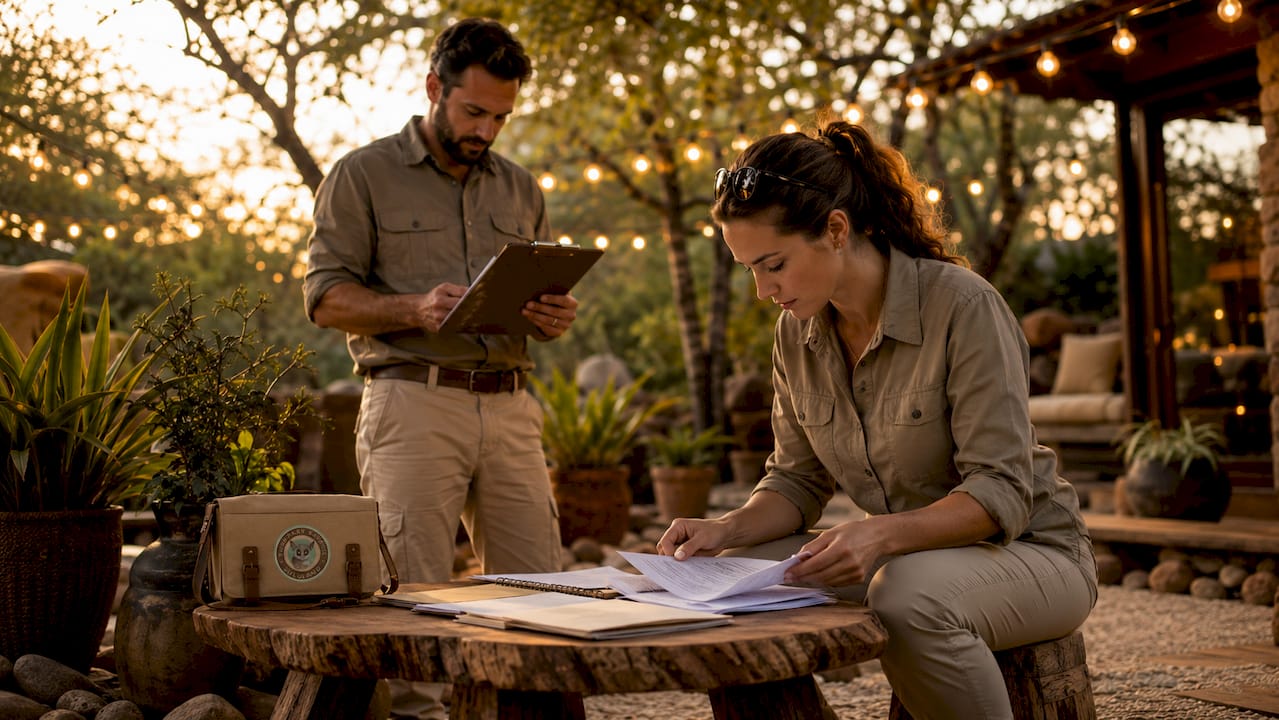
This combined approach creates a level of consistency that larger, departmentalized lodges struggle to match. When the person who guided you at dawn is also the person who checked you in the night before, the experience feels personal rather than transactional.
Guide and administrative couples split responsibilities between conducting activities and managing reservations, guest communication, and office duties. That division keeps operations running without gaps. Here is how those shared responsibilities typically break down across a full day:
- Pre-dawn: The field guide prepares the vehicle, checks safety equipment, and reviews wildlife reports from the previous evening. The lodge partner confirms the day's bookings and guest dietary requirements.
- Morning drive: The guide and tracker lead the game drive while the lodge partner coordinates breakfast service and handles any guest requests that arrive during the drive.
- Midday: The guide debriefs guests, answers questions, and logs wildlife sightings. The lodge partner manages stock, staff schedules, and any conservation reporting requirements.
- Afternoon: Both partners review the evening drive plan together, sharing intelligence on animal movements and guest preferences gathered throughout the day.
- Evening: The guide leads the sunset drive. The lodge partner oversees dinner service and guest hosting, creating a warm, welcoming atmosphere for the group's return.
This structure means no detail falls through the cracks. Guests benefit from a lodge that feels attentive and organized because the people running it share both a professional and personal investment in the outcome. You can learn more about how safari lodge operations support this kind of integrated guiding model.
What challenges do safari guide couples face?
Safari guiding as a couple is genuinely demanding. Remote living, long hours before sunrise and after sunset, and the constant pressure of guest expectations create a high-stress environment. The couples who thrive in this setting share two things: a deep passion for wildlife and a commitment to honest communication with each other.
The lifestyle requires real adaptation. Couples often live on the property they manage, which means work and home life occupy the same physical space. Boundaries require active maintenance, not passive hope.
Common challenges include:
- Long working hours: Game drives run before dawn and after dusk, leaving limited personal time during peak season
- Remote location: Many lodges sit far from towns, limiting access to social networks, medical facilities, and everyday conveniences
- Guest expectations: High-end travelers arrive with high expectations, and both partners must consistently deliver regardless of personal fatigue
- Team cohesion: Disagreements that would stay private in a city job play out in a shared professional environment
The benefits are equally real. Couples who work together build a level of trust and mutual understanding that most professional teams never achieve. Their shared passion for the bush creates a natural alignment of values that guests can feel. The most exceptional guiding pairs intentionally manage guest energy and social dynamics, using humor and personal rapport to create an inclusive atmosphere. That skill comes from knowing each other well enough to read the room together.
When you interact with a guiding couple on safari, you are benefiting from years of shared experience, hard-won communication skills, and a genuine love for the work. That combination is rare and worth appreciating.
Key Takeaways
Safari guide couples deliver their best results when both partners hold recognized qualifications, work as permanent pairs, and combine field expertise with strong lodge management skills.
| Point | Details |
|---|---|
| Complementary roles | One partner guides and tracks; the other manages the lodge, creating full coverage of guest needs. |
| Permanent pairings matter | Long-term guide-tracker pairs develop faster communication and better wildlife anticipation than rotating staff. |
| Small group sizes | Vehicles with 6 guests or fewer allow guide couples to deliver genuinely personalized attention to every traveler. |
| Emotional intelligence | The best guiding pairs read guest moods and adjust the experience in real time to maintain comfort and engagement. |
| Qualifications are non-negotiable | FGASA Trails Guide certification, First Aid, and a valid PrDP are the baseline standards for professional field guides. |
What I've learned from watching great guiding pairs work
I've spent a lot of time watching guide couples operate, and the thing that strikes me most is how invisible their coordination looks when it's working well. Guests rarely notice the hand signal that stopped the vehicle at exactly the right moment, or the quiet word exchanged before the guide pivoted the story to match the group's energy. That invisibility is the point. When a guiding pair is truly in sync, the experience feels effortless to you even though it's the result of years of deliberate practice.
What I'd push back on is the idea that any two people with the right qualifications automatically make a great guiding couple. Qualifications get you through the gate. What happens inside the gate depends on trust, communication, and a shared reading of the bush that only comes from time spent together. I've seen highly credentialed guides who couldn't anticipate each other's next move, and I've seen less formally decorated pairs who delivered some of the most memorable wildlife encounters I've witnessed.
My honest advice: when you're choosing a safari, ask specifically about the guiding team. Ask how long they've worked together. Ask whether the tracker is a permanent staff member or a day hire. Those questions tell you more about the quality of your experience than the lodge's star rating ever will. The Big 5 encounters that stay with you for decades are almost always the product of a guiding pair who knew exactly what they were doing and trusted each other completely.
— Larni
Safari experiences shaped by dedicated guiding teams at Bushbaby Safaris Zululand
Bushbaby Safaris Zululand operates open vehicle safaris from St Lucia and Hluhluwe into Hluhluwe-iMfolozi Park and iSimangaliso Wetland Park, the "Place of Miracle or Wonder." Every drive is led by guides who know these parks like the back of their hands and who work alongside dedicated partners to make sure your experience is personal, safe, and genuinely memorable.
Small group sizes keep the focus on you. Bushbaby Safaris Zululand's standard safari packages and explorer safari options are built around the principle that fewer guests means better guiding. If you want to see what a dedicated guiding team can deliver in KwaZulu-Natal's most extraordinary wildlife areas, book directly and ask about the team who will be with you every step of the way.
FAQ
What does a safari guide couple do on a daily basis?
One partner leads game drives, interprets wildlife behavior, and manages guest safety. The other handles lodge administration, reservations, and guest hosting, with both roles combining to cover every aspect of the safari experience.
Why are permanent guide-tracker pairings better for guests?
Permanent pairs develop faster communication and a shared anticipation of wildlife movements that temporary hires cannot replicate. That coordination directly improves the quality and frequency of wildlife sightings.
What qualifications does a safari field guide need?
Professional field guides require FGASA Trails Guide certification, a valid PrDP driver's license, rifle-handling competency, and First Aid certification. These standards protect guests and ensure a high level of wildlife knowledge and safety management.
How many guests should be on a vehicle with a guide couple?
Six guests or fewer per vehicle is the recommended standard for premium safari experiences. Smaller groups allow the guide and tracker to position the vehicle precisely and give each guest meaningful attention.
What makes safari guiding as a couple different from solo guiding?
A guiding couple covers both the field experience and the lodge operation simultaneously, creating a more consistent and personalized guest experience. Their shared trust and communication also produce faster, quieter decisions in the field that improve wildlife encounters.