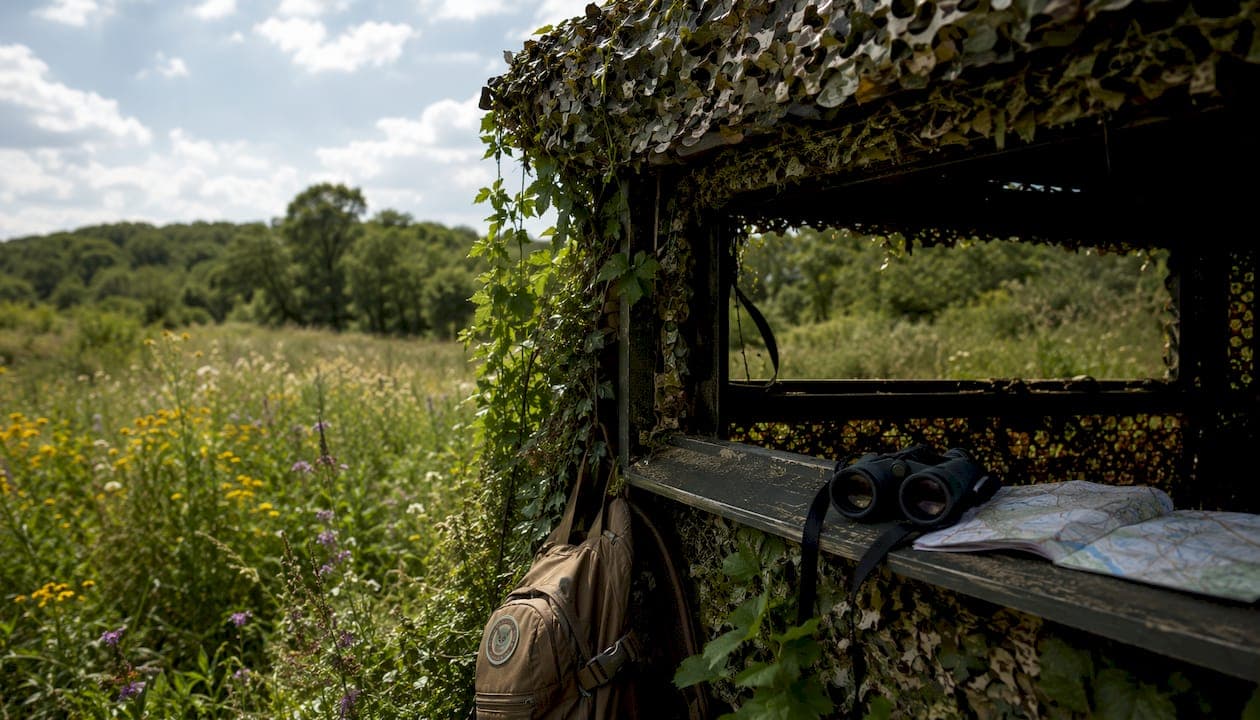
A wildlife hide is a camouflaged shelter built to let you observe wild animals up close without them knowing you are there. Known as a "blind" in the United States, it is the single most effective tool for witnessing natural animal behavior undisturbed. Whether you are a dedicated wildlife photographer or a curious safari guest, understanding how hides work transforms what you see and how deeply you experience it.
Table of Contents
- What is a wildlife hide and why does it matter?
- How wildlife hides function and what to expect inside
- Why wildlife hides are good for animals and communities
- Expert tips for getting the most from a wildlife hide
- How Bushbaby Safaris Zululand brings wildlife observation to life
- Real examples of wildlife observation using hides
- How wildlife hides evolved from hunting blinds to conservation tools
- Key Takeaways
What is a wildlife hide and why does it matter?
A hide is a structure designed to conceal human presence so animals behave exactly as they would with no one watching. Designs range from simple fabric tents and dome shelters to permanent wooden cabins, floating platforms on water, and sunken underground chambers. The goal is always the same: remove the human silhouette from the animal's awareness entirely.
Hides serve several distinct purposes on safari:
- Undisturbed observation: Animals feed, drink, court, and care for young without fleeing.
- Safety: A solid structure keeps you protected near large or potentially dangerous species like elephant or buffalo.
- Photography: Stable, close-range positions produce images impossible from a moving vehicle.
- Visitor management: Park managers use fixed hides to channel foot traffic away from sensitive habitats.
- Commercial access: Paid-access hides give guests privileged wildlife viewing that would otherwise be off-limits.
How wildlife hides function and what to expect inside
Concealment works through three combined factors: visual camouflage, silence, and stillness. The hide blends into its surroundings using local materials, earth tones, or scrim netting. You stay motionless and quiet. The animals never register a threat.
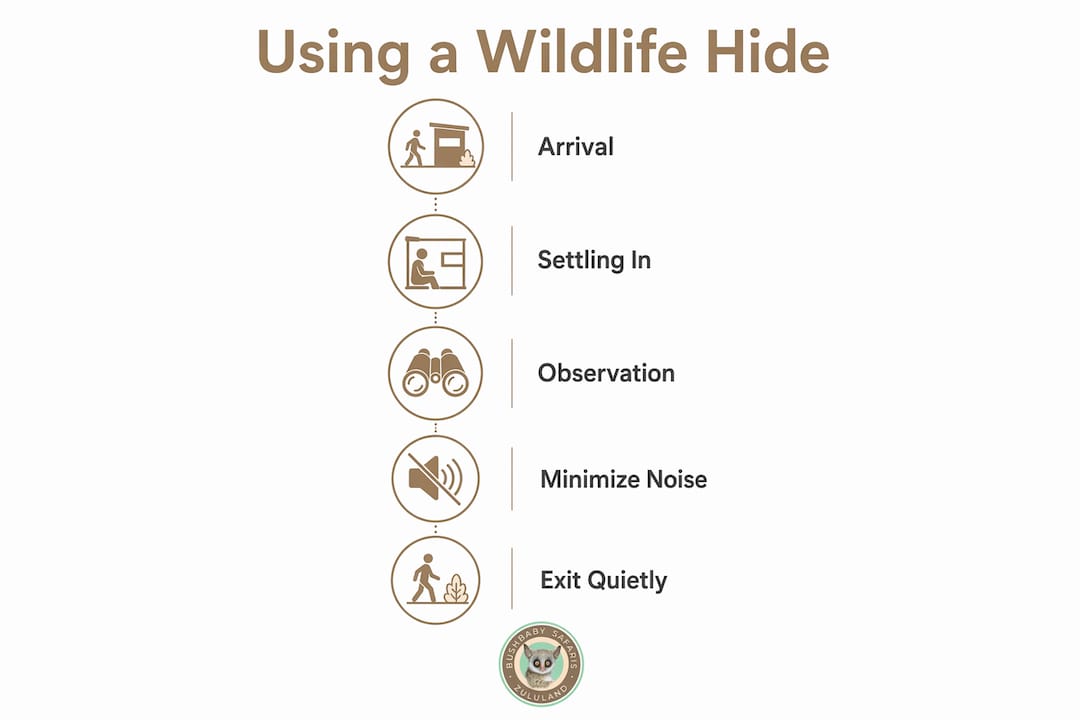
Visitor rules inside a hide are straightforward but non-negotiable:
- Keep conversation to a whisper or stay completely silent, especially at night.
- Avoid sudden movements near windows or viewing slots.
- Cover or switch off any light source, including phone screens, which can alert sharp-eyed animals.
- Enter and exit at agreed times to avoid disrupting animals already at the site.
Light management is one of the most overlooked factors. Even a phone screen reflected on your face can send a wary animal bolting. One-way glass and blackout curtains at the rear of the hide solve this problem in well-designed permanent structures. Waterhole hides are particularly productive because animals gather there naturally, giving you reliable viewing without any artificial baiting.
Why wildlife hides are good for animals and communities
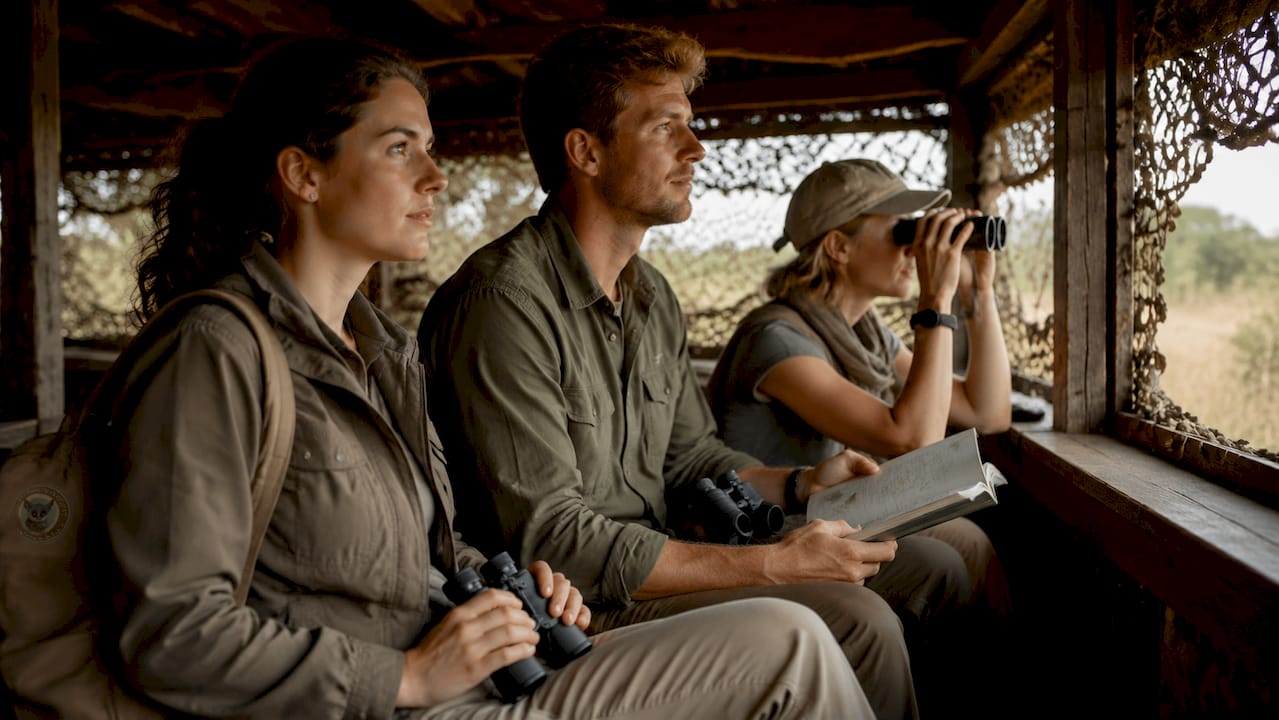
The ethical case for hides rests on one principle: animals behave naturally only when they do not feel watched. A hide removes the stress trigger entirely. You witness authentic feeding, social interaction, and territorial behavior rather than a flight response.
Beyond individual encounters, hides generate nature-based income for local communities, which shifts the economic incentive away from poaching and toward protection. When wildlife watching pays, wildlife survives. Hides also help conservation managers direct visitors away from nesting areas or fragile vegetation, reducing trampling and habitat damage. Baiting, when used at all, requires a proper environmental assessment first.
Expert tips for getting the most from a wildlife hide
Professional wildlife photographers describe the skill set for hide work as "fieldcraft." It combines research, patience, and preparation before you ever step inside.
- Research the species first. Know when and where your target animals drink, feed, or move. Arriving at the wrong time of day wastes hours.
- Prepare for a long session. Extended periods of stillness for several hours are common. Bring water, snacks, and a comfortable seat.
- Choose a sunken hide when possible. Eye-level positioning produces far more intimate images and observations than shooting downward from above.
- Let the hide settle. Installing a hide in advance and allowing animals time to habituate to it significantly improves your chances of a productive session.
- Dress in dark, matte clothing. Reflective fabrics or bright colors defeat the purpose of the structure around you.
Pro Tip: Arrive at the hide before first light. Animals are most active at dawn, and entering after they have already gathered will flush them before you see anything worthwhile.
How Bushbaby Safaris Zululand brings wildlife observation to life
Bushbaby Safaris Zululand specializes in open vehicle safaris through two of South Africa's most extraordinary ecosystems: the Big 5 territory of Hluhluwe-iMfolozi Park and iSimangaliso Wetland Park, South Africa's first UNESCO World Heritage Site. The open vehicle format gives you unobstructed sightlines and the freedom to absorb the full sensory experience of the bush.
Expert guides who know these parks like the back of their hands complement every safari. They read animal tracks, interpret behavior, and position the vehicle to maximize what you see. For guests who want to extend their wildlife encounter beyond the vehicle, understanding how hides work deepens appreciation for every quiet moment in the field. Bushbaby Safaris' safari packages are built around ethical observation principles that align directly with responsible hide use.
Real examples of wildlife observation using hides
Waterhole hides across southern Africa deliver some of the most memorable encounters in wildlife tourism. A sunken hide positioned at the edge of a man-made waterhole in the dry season can draw elephant, giraffe, zebra, and predators to within meters of the viewing window. In Zimbabwe, one cleverly designed hide was built to resemble a termite mound so convincingly that animals approach without hesitation.
In Scotland, photographers use portable fabric hides to photograph kingfishers at stream edges. In Estonia and Finland, permanent wooden hides overlooking forest clearings give guests reliable brown bear sightings. Night-equipped hides with low-intensity lighting open up an entirely different world, revealing leopard, hyena, and other nocturnal species that a standard game drive rarely captures.
How wildlife hides evolved from hunting blinds to conservation tools
The earliest hides were hunting aids, built to conceal a hunter waiting in ambush. By the late 1800s, naturalist photographers began repurposing the concept. The pioneering Kearton brothers famously used a hollowed-out cow as a hide in the 1890s to photograph birds at close range, a stunt as much about publicity as fieldcraft.
For most of the 20th century, the basic cloth hide changed very little. New materials made frames lighter and erection faster, but the concept stayed the same. The real shift came in 2005 when Spanish photographer José B. Ruiz introduced one-way glass to hide design, making it possible to photograph nervous species without any lens movement alerting them. Hungarian photographer Bence Máté expanded on this, popularizing one-way glass hides worldwide. Today, permanent hides with sleeping quarters, specialist night lighting, and full amenities represent the most sophisticated end of wildlife tourism infrastructure.
Key Takeaways
A wildlife hide is the most effective tool for observing natural animal behavior without disturbance, combining concealment, silence, and careful positioning to give you access no open vehicle can match.
| Point | Details |
|---|---|
| Core purpose | A hide conceals human presence so animals behave naturally, undisturbed by observers. |
| Session length | Productive hide sessions often last 4–8 hours; preparation and comfort supplies are essential. |
| Eye-level advantage | Sunken hides placed at animal eye level produce more intimate observations and better photography. |
| Conservation value | Hides generate nature-based income for local communities, aligning tourism with wildlife protection. |
| Ethical foundation | Responsible hide use avoids baiting without environmental assessment and manages visitor access carefully. |
Ready to experience KwaZulu-Natal's wildlife up close? Bushbaby Safaris Zululand runs expertly guided open vehicle safaris into Hluhluwe-iMfolozi Park and iSimangaliso Wetland Park, with guides who understand animal behavior and know exactly where to position you for the most extraordinary encounters. Book your safari today and let Mother Nature do the rest.